How Bathtub Reglazing Works
Introduction: Reglazing in Toronto
How Bathtub Reglazing Works: A bathtub can remain functional for many years even after its original surface begins to look worn, stained, scratched, faded, or dull. Over time, regular exposure to water, soap residue, mineral deposits, cleaning products, and everyday use can gradually affect the appearance of the tub. When the bathtub is still structurally suitable, how bathtub reglazing works becomes an important question for homeowners who want to restore the fixture without immediately replacing it.
Bathtub reglazing is a surface restoration process that renews an existing bathtub rather than removing the entire fixture. The process generally involves inspection, deep cleaning, surface preparation, minor repairs, bonding or priming, professional coating application, curing, and final inspection. Each stage contributes to the quality of the finished surface, which is why professional reglazing involves considerably more than simply applying paint or coating to an old bathtub.
For homeowners in Toronto and the Greater Toronto Area, reglazing can be a practical option for older bathrooms, rental properties, condominiums, and renovation projects. It can help improve the appearance of a bathtub while allowing the existing fixture and surrounding bathroom layout to remain in place. KK Cleaning and Restoration provides professional bathtub restoration and glazing solutions designed around the condition and requirements of the existing fixture.
Understanding how bathtub reglazing works can help homeowners make informed decisions about whether surface restoration is appropriate for their bathtub.
What Is Bathtub Reglazing?
Bathtub reglazing is a professional process used to restore the visible surface of an existing bathtub. Instead of removing the bathtub and installing a completely new fixture, the existing surface is cleaned, prepared, repaired where appropriate, and finished with a new professional coating.
The terms bathtub reglazing, bathtub refinishing, bathtub resurfacing, and bathtub restoration are often used interchangeably in the industry. Although terminology can vary, the underlying concept is generally the same: restore the existing bathtub surface rather than automatically replacing the fixture.
The process is particularly useful when a bathtub has cosmetic deterioration but remains structurally suitable. Stains, discoloration, fading, dullness, scratches, and minor chips can make an otherwise functional bathtub look old and neglected.
A professional reglazing project focuses heavily on preparation. The new finish must be applied to a properly cleaned and prepared surface so it can bond appropriately. This is one of the main differences between professional restoration and simply painting an old bathtub.
The objective is to create a smooth, consistent, attractive surface that can withstand normal bathroom use when properly maintained.
When Does a Bathtub Need Reglazing?
Understanding how bathtub reglazing works begins with understanding when the process may be appropriate. A bathtub may be a candidate for reglazing when its primary problems are related to the surface rather than serious structural deterioration.
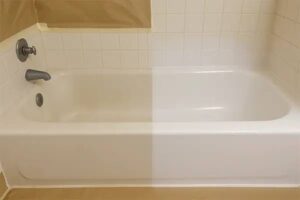
Persistent stains are a common reason homeowners consider restoration. Years of soap, hard-water deposits, cleaning products, and general use can leave a bathtub with discoloration that ordinary household cleaning cannot adequately improve.
Scratches and minor chips can also affect the appearance of an older bathtub. Repeated use, abrasive cleaning products, dropped objects, and general aging can gradually damage the original surface.
Fading and loss of shine are other common signs. An old bathtub can look dull even after it has been thoroughly cleaned because the original finish itself has deteriorated.
Reglazing may also be appropriate when homeowners want to update an outdated bathtub without changing its dimensions or location. Instead of removing a fixture that still functions properly, surface restoration can give it a refreshed appearance.
However, not every bathtub should be reglazed. Severe structural cracking, significant leakage, extensive corrosion, unstable surfaces, or other major problems may require replacement or a different repair solution. Professional assessment is therefore an important first step.
How Bathtub Reglazing Works: Initial Inspection and Assessment
The first practical stage in understanding how bathtub reglazing works is the initial inspection. Before any coating is applied, the bathtub should be examined carefully to determine its condition and suitability for restoration.
The inspection considers the bathtub’s material, age, existing finish, visible damage, stains, scratches, chips, cracks, discoloration, and any evidence of previous refinishing. The surrounding area is also considered because tiles, walls, flooring, fixtures, drains, and caulking need appropriate protection during the work.
Previous coating is particularly important. If the bathtub has already been refinished or reglazed, the existing finish may need additional preparation or removal depending on its condition. Applying a new finish over an unstable or peeling coating can compromise the restoration.
The condition of the bathtub floor should also be considered. Areas that have become excessively worn, damaged, or structurally unstable may require specialized attention before a surface coating can be considered.
An assessment helps determine whether the project should proceed as a straightforward reglazing service or whether additional repair work is necessary. This prevents homeowners from assuming that every old or stained bathtub is automatically suitable for the same treatment.
Professional inspection also helps establish realistic expectations. Reglazing can significantly improve a suitable bathtub’s appearance, but it is not intended to correct every structural problem.
Deep Cleaning and Surface Preparation
One of the most important parts of how bathtub reglazing works is surface preparation. The quality of the finished coating depends heavily on how thoroughly the original surface has been cleaned and prepared.
Over many years, an old bathtub can accumulate soap scum, body oils, mineral deposits, dirt, cleaning-product residue, silicone residue, and other contaminants. Some of this buildup may be difficult to see but can still interfere with the adhesion of a new coating.
The surface must therefore be thoroughly cleaned and degreased. Appropriate preparation removes contaminants and exposes the actual bathtub surface that needs to receive the restoration system.
Existing caulking or silicone around areas being restored may also need to be removed where appropriate. This helps prevent incompatible material from remaining underneath or along the edges of the new finish.
The bathtub surface is then prepared according to its material and condition. Depending on the fixture, preparation can involve sanding, smoothing, scuffing, etching, or other appropriate methods designed to create a suitable foundation for bonding.
This stage is not simply cosmetic. A bathtub can look clean to the homeowner while still containing residue that affects the restoration process. Professional preparation is therefore one of the most important factors in achieving a consistent finished surface.
Repairing Chips, Scratches, Cracks, and Surface Damage
After cleaning and initial preparation, suitable surface damage needs to be addressed. Understanding how bathtub reglazing works requires recognizing that the coating should not simply be applied over every existing imperfection.
Minor chips can create small depressions in the bathtub surface. Where appropriate, these areas can be filled with suitable repair material and then sanded or smoothed so they become level with the surrounding surface.
Scratches may also require preparation before coating. Deeper scratches can be smoothed or repaired where appropriate, while superficial surface marks may be addressed during the preparation process.
Minor holes or uneven sections may similarly require filling and smoothing. The objective is to create a consistent surface before the final finish is applied.
Cracks require greater attention because not every crack is a cosmetic surface problem. A professional must determine whether a crack is suitable for repair and reglazing or whether it indicates movement, structural weakness, or another problem that makes restoration unsuitable.
Rust and corrosion can also require treatment, particularly around older metal or cast-iron bathtubs. Simply covering deteriorated material without appropriate preparation can result in problems beneath the new finish.
Proper repair ensures that the final coating has a smoother foundation and that existing imperfections are not unnecessarily visible through the restored surface.
Creating Proper Adhesion for the New Finish
A major part of how bathtub reglazing works involves creating the right conditions for the new finish to bond to the existing bathtub. Many bathtub materials have naturally smooth surfaces, which makes them easy to clean but can make adhesion more challenging.
The prepared surface needs an appropriate bonding profile. Depending on the bathtub material and restoration system, this may involve mechanical preparation, chemical preparation, an adhesion-promoting layer, or a combination of suitable techniques.
Porcelain, enamel, fiberglass, acrylic, cast iron, and other bathtub materials do not necessarily require identical preparation. A professional approach should account for the characteristics of the substrate rather than treating every bathtub in exactly the same way.
After preparation, the surface needs to be clean and free from dust, residue, oils, and moisture. Even small contaminants can affect how evenly the new coating adheres.
A bonding or primer layer may then be used as part of the selected restoration system. This layer helps establish a suitable connection between the prepared bathtub and the subsequent finish.
The importance of this stage cannot be overstated. The visible glossy finish may attract most of the homeowner’s attention, but the underlying preparation and bonding system are critical to the performance of the finished surface.
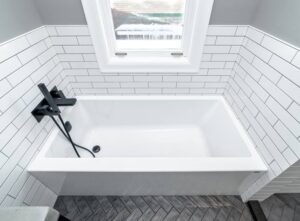
Applying the Professional Reglazing Coating
Once the bathtub has been fully prepared, repaired, and appropriately primed, the professional reglazing coating can be applied. This is the stage most people notice when thinking about how bathtub reglazing works, but it represents only one part of the complete restoration process.
The coating must be applied evenly across the bathtub surface. Professional application is intended to produce a consistent finish without obvious unevenness, excessive buildup, runs, or other application problems.
The coating system can vary depending on the bathtub material, project requirements, and professional restoration method. The objective is to create a smooth, durable-looking finish suitable for normal bathroom use.
Edges, corners, curves, drain areas, and other detailed sections require careful attention. These areas can be more difficult to coat consistently and should not be overlooked during the restoration process.
The surrounding bathroom must remain protected during application. Floors, tiles, walls, fixtures, drains, and other nearby surfaces need appropriate masking or covering to help prevent unwanted coating or overspray.
Once the coating has been applied, the bathtub should not immediately be put back into service. The finish requires appropriate curing time before it reaches its intended level of hardness and performance.
Curing, Drying, and Final Inspection
Curing is another important part of how bathtub reglazing works. A bathtub coating may appear dry before it has fully cured, so homeowners should follow the professional’s specific instructions regarding when the tub can safely be used.
During curing, the new finish continues to harden and stabilize. Water, heavy use, cleaning products, or physical contact introduced too early can interfere with the restoration process.
The exact curing requirements depend on the coating system, environmental conditions, temperature, humidity, and other project-specific factors. For this reason, homeowners should not assume that a bathtub is ready for use simply because the surface feels dry.
After the appropriate curing period, the restored bathtub should be inspected carefully. The technician can check the finish for consistency, coverage, visible imperfections, and other issues that may require attention.
Protective materials can then be removed from the surrounding bathroom, and the work area can be cleaned. Any finishing work, such as appropriate caulking or related detailing, can be completed as part of the restoration project when required.
The final result should be a clean, smooth, refreshed bathtub surface that is ready for normal use according to the provided aftercare instructions.
How Bathtub Reglazing Differs From Bathtub Replacement
Bathtub reglazing and bathtub replacement take very different approaches to an aging fixture. Replacement removes the existing bathtub and installs a new one, while reglazing restores the surface of the existing fixture.
Replacement can involve demolition, disposal, plumbing work, tile removal, drywall repairs, flooring adjustments, and other construction tasks depending on the bathroom. This can significantly expand the scope of a project.
Reglazing is more targeted. When the bathtub is structurally suitable, the existing fixture remains in place while its surface is restored.
Preserving the existing bathtub can also preserve its current size, shape, position, and relationship with surrounding tiles and fixtures. This can be useful when homeowners are satisfied with the bathroom layout but want to improve the bathtub’s appearance.
Bathtub reglazing can therefore be particularly useful for older bathrooms, rental properties, condominiums, and renovation projects where reducing disruption is important.
However, replacement remains appropriate for tubs with major structural problems or conditions that cannot reasonably be addressed through surface restoration. The decision should be based on the actual condition of the bathtub rather than appearance alone.
Benefits of Understanding How Bathtub Reglazing Works
Knowing how bathtub reglazing works helps homeowners understand why professional restoration involves several stages. It also makes it easier to evaluate service quality rather than focusing only on the final appearance.
One major benefit is that homeowners can recognize the importance of preparation. Cleaning, repair, surface profiling, bonding, coating, and curing all contribute to the finished result.
Reglazing can also provide a practical way to refresh an aging bathroom without automatically replacing a functional bathtub. A worn finish can make the entire bathroom look dated, while a professionally renewed surface can create a cleaner and more updated appearance.
Another benefit is preservation of the existing bathroom configuration. Homeowners can potentially keep the same bathtub size, position, surrounding tile, and plumbing arrangement.
Professional restoration can also address several surface issues during the same project. Stains, discoloration, scratches, minor chips, fading, and dullness can be evaluated and treated as part of the restoration process.
For landlords and property managers, reglazing can provide a useful maintenance option when an existing bathtub remains serviceable but needs cosmetic improvement between tenants.
For homeowners planning bathroom renovations, it can also be a practical component of a broader update when replacing the bathtub is unnecessary.
Maintaining a Bathtub After Reglazing
Understanding how bathtub reglazing works also means understanding what happens after the technician leaves. Proper maintenance is important because even a professionally restored bathtub can be damaged by unsuitable cleaning methods or excessive physical abuse.
Routine cleaning should be performed with appropriate non-abrasive products. Harsh chemicals, aggressive scrubbing tools, abrasive powders, and unsuitable cleaners can damage the restored surface.
Soap residue and mineral buildup should not be allowed to accumulate unnecessarily. Regular gentle cleaning can help keep the surface looking cleaner and reduce the need for aggressive cleaning later.
Homeowners should also avoid dropping heavy objects into the bathtub. Excessive impact can create chips or other damage even on a professionally restored surface.
Bathroom ventilation is another useful maintenance consideration. Good ventilation can help manage moisture and humidity within the bathroom.
If a new chip, scratch, or other problem appears, it is better to address it promptly rather than allowing the damage to expand. Proper aftercare and reasonable daily use can help preserve the appearance of the reglazed bathtub.
Why Choose KK Cleaning and Restoration for Bathtub Reglazing?
KK Cleaning and Restoration provides professional bathtub restoration and glazing services for residential and commercial properties throughout Toronto and the GTA. Our approach focuses on evaluating the existing fixture and determining the appropriate restoration process based on its condition.
A professional reglazing project requires more than coating an old bathtub. Our process emphasizes thorough cleaning, careful surface preparation, suitable repairs, appropriate protection of surrounding areas, professional coating application, curing, and final inspection.
We understand that different bathtubs can have different restoration requirements. The material, age, existing finish, surface damage, previous refinishing, and overall condition all influence how the bathtub should be treated.
KK Cleaning and Restoration also provides related bathroom cleaning and restoration services, including tile and grout cleaning, grout sealing, regrouting, shower restoration, caulking, silicone replacement, and tub glazing. This makes it possible to coordinate multiple bathroom restoration needs when a larger maintenance or renovation project requires them.
Our goal is to provide practical restoration solutions for homeowners, landlords, property managers, condominium owners, and commercial clients. When an existing bathtub is suitable for restoration, professional reglazing can improve its appearance while allowing the fixture and existing bathroom configuration to remain in place.
Restore Your Bathtub With Professional Reglazing
Understanding how bathtub reglazing works makes it clear that the process is not simply painting an old bathtub. Professional restoration involves inspection, detailed cleaning, surface preparation, repairs, adhesion preparation, coating application, curing, and final inspection.
Each stage serves an important purpose. Cleaning removes contaminants, repairs address appropriate surface damage, preparation creates a suitable foundation, bonding helps connect the new finish to the existing surface, and professional coating application creates the renewed visible finish.
For homeowners with a bathtub that is structurally sound but stained, scratched, faded, chipped, or dull, reglazing can provide an alternative to immediate replacement. It can refresh the bathroom while preserving the existing bathtub, layout, plumbing configuration, and surrounding design.
Professional bathtub reglazing can also be useful for rental properties, condominium bathrooms, older homes, and renovation projects where a targeted surface restoration is preferred.
KK Cleaning and Restoration provides professional bathtub restoration and glazing services throughout Toronto and the Greater Toronto Area. By focusing on careful preparation, appropriate restoration techniques, detailed workmanship, and proper aftercare, we help suitable bathtubs receive a refreshed and professionally restored surface.
When an aging bathtub still has a solid foundation, understanding how bathtub reglazing works can help you recognize that replacement is not necessarily the only way to achieve a cleaner, newer-looking bathroom.
Contact us now:
 Call us now at +16479163093
 Email: info@kkcleaningandrestoration.ca
 Visit: https://kkcleaningandrestoration.ca/
FAQs on “How Bathtub Reglazing Works”
1. How does bathtub reglazing work?
How bathtub reglazing works begins with inspecting the existing bathtub to determine its material, condition, surface damage, and suitability for restoration. The surface is thoroughly cleaned and prepared, while suitable scratches, chips, holes, and uneven areas may be repaired and smoothed. A professional bonding or preparation system and specialized reglazing coating are then applied to create a renewed surface. After appropriate curing and final inspection, the bathtub can be returned to normal use according to the recommended aftercare instructions.
2. What is bathtub reglazing?
Bathtub reglazing is a professional surface restoration process that renews the finish of an existing bathtub instead of automatically replacing the entire fixture. The process can involve deep cleaning, preparation, minor repairs, bonding, coating application, curing, and final inspection. It is commonly considered for bathtubs with stains, scratches, chips, fading, discoloration, or dull surfaces. KK Cleaning and Restoration provides professional bathtub restoration and reglazing solutions for suitable tubs in Toronto and the GTA.
3. Why is surface preparation important when learning how bathtub reglazing works?
Surface preparation is essential because the new reglazing coating needs a properly cleaned and prepared foundation. Soap scum, grease, mineral deposits, dirt, old cleaning-product residue, and loose material can interfere with the bonding of the new finish. Preparation may include cleaning, sanding, smoothing, repairing damaged areas, and creating an appropriate surface profile. Thorough preparation helps support a more consistent and professionally finished bathtub.
4. Can bathtub reglazing repair scratches and chips?
Bathtub reglazing can address many minor scratches and chips when the underlying bathtub remains structurally suitable for restoration. Appropriate repair material can be used to fill suitable damaged areas before they are sanded and smoothed. The repaired surface can then be prepared for the reglazing coating to create a more consistent appearance. Severe structural damage or extensive cracking may require a different repair solution or bathtub replacement.
5. Can bathtub reglazing remove stains and discoloration?
Bathtub reglazing can improve the appearance of many stained and discoloured bathtubs through thorough cleaning, preparation, and application of a renewed finish. Persistent stains may remain visible after ordinary cleaning because the original surface has become permanently affected over time. Reglazing can renew the visible surface rather than relying solely on cleaning to restore the original appearance. Results depend on the type of stain, condition of the bathtub, material, and extent of existing deterioration.
6. What types of bathtubs can be reglazed?
Bathtub reglazing may be suitable for various bathtub materials, including porcelain, fiberglass, acrylic, cast iron, and enamel-coated surfaces. Different materials have different characteristics and may require specific preparation and restoration techniques. The condition of the original surface and any previous coating also need to be evaluated before work begins. A professional inspection helps determine whether the particular bathtub is suitable for reglazing.
7. How long does bathtub reglazing take?
The time required for bathtub reglazing depends on the bathtub’s size, condition, amount of preparation, number of repairs, and selected restoration system. A tub with extensive staining or surface damage may require more preparation than one with relatively minor cosmetic wear. Curing time is also an important part of the overall process because the newly applied finish needs appropriate time before normal use. A professional assessment can provide a more practical timeframe for the specific bathtub.
8. Is bathtub reglazing the same as bathtub refinishing?
Bathtub reglazing and bathtub refinishing are commonly used to describe closely related processes for renewing an existing bathtub surface. Both approaches generally involve preparing the original fixture and applying a new professional finish rather than removing the entire bathtub. The exact terminology and materials can vary between restoration providers. Homeowners should focus on the actual preparation, repair, coating, curing, and aftercare process rather than the service name alone.
9. Is bathtub reglazing better than replacing a bathtub?
Bathtub reglazing can be a practical alternative to replacement when an existing bathtub remains structurally sound but has surface-level deterioration. It allows the fixture to remain in place while problems such as stains, scratches, discoloration, fading, and minor chips are addressed. Replacement can involve demolition, disposal, plumbing changes, tile repairs, drywall work, and other construction depending on the bathroom. However, a bathtub with serious structural deterioration or major leakage may require replacement instead of surface restoration.
10. Can bathtub reglazing be part of a bathroom renovation?
Yes, bathtub reglazing can be incorporated into a bathroom renovation when the existing bathtub is suitable for restoration. Homeowners can renew the bathtub surface while updating other elements such as fixtures, lighting, flooring, walls, or accessories. Keeping the existing tub can preserve its current size, shape, location, and relationship with surrounding finishes. This can be useful when the goal is to modernize the bathroom without undertaking unnecessary bathtub demolition.
11. Can bathtub reglazing help restore an old bathtub?
Bathtub reglazing can help restore an old bathtub when the underlying fixture remains appropriate for surface restoration. Older tubs often develop stains, dullness, fading, scratches, chips, and other cosmetic problems after years of regular use. Professional preparation and a new finish can significantly refresh the visible surface of a suitable bathtub. Structural deterioration must still be assessed because surface reglazing is not intended to replace major structural repairs.
12. Can bathtub reglazing change the colour of an old bathtub?
Bathtub reglazing can potentially change the visible colour and finish of a suitable bathtub. Colour restoration or updating can be useful when an old bathtub has become faded or when its existing colour no longer suits the bathroom design. The available colour and finish options depend on the restoration system and project requirements. Homeowners should discuss their desired appearance with the professional before the reglazing process begins.
13. How does bathtub reglazing work for a previously refinished bathtub?
How bathtub reglazing works on a previously refinished bathtub depends heavily on the condition and stability of the existing coating. The previous finish needs to be inspected for peeling, cracking, poor adhesion, unevenness, and other problems before another restoration layer is considered. Additional preparation or removal of unstable material may be necessary to create an appropriate foundation. Professional assessment is therefore particularly important when a bathtub has already undergone refinishing or reglazing.
14. Can bathtub reglazing address a dull or faded bathtub finish?
Bathtub reglazing can refresh a dull or faded finish when the bathtub is suitable for surface restoration. Years of water exposure, cleaning, mineral deposits, and daily use can gradually reduce the original finish’s visual appeal. Professional preparation followed by a new coating can create a smoother and more consistent appearance. The degree of improvement depends on the bathtub’s material, condition, and extent of existing surface deterioration.
15. Why is professional bathtub reglazing different from DIY bathtub coating?
Professional bathtub reglazing involves detailed inspection, surface preparation, repair, bonding, coating application, curing, and finishing that can be difficult to reproduce with basic DIY products. Incorrect preparation or unsuitable coating application can result in uneven coverage, poor adhesion, premature deterioration, or other surface problems. Professionals can also determine whether the bathtub is suitable for restoration before applying any coating. A professional process provides greater control over preparation and application for homeowners seeking a properly restored surface.
16. Can bathtub reglazing preserve the existing bathroom layout?
Yes, one of the practical benefits of bathtub reglazing is that the existing bathtub generally remains in its current location. This can allow homeowners to preserve the bathtub’s dimensions, plumbing arrangement, surrounding tile, and overall bathroom configuration. Replacing a bathtub may require additional work when the new fixture differs in size or shape from the existing one. Reglazing can therefore be useful when the current layout is functional but the bathtub surface needs improvement.
17. What happens during the cleaning stage of bathtub reglazing?
During the cleaning stage, contaminants that could interfere with the restoration process are thoroughly addressed. These may include soap scum, grease, mineral deposits, dirt, body oils, old cleaning-product residue, and other accumulated material. Cleaning is followed by additional surface preparation appropriate for the bathtub’s material and condition. A properly prepared surface provides a more suitable foundation for subsequent repair, bonding, and coating work.
18. What happens after the reglazing coating is applied?
After the reglazing coating is applied, the bathtub must remain undisturbed while the finish dries and cures appropriately. The exact curing requirements depend on the coating system and environmental conditions, so homeowners should follow the professional’s specific instructions. Using water, harsh cleaners, or placing objects on the surface too early can interfere with the newly applied finish. Once the appropriate curing period has passed, the bathtub can undergo final inspection before normal use resumes.
19. How should I maintain my bathtub after reglazing?
After bathtub reglazing, the surface should be maintained using appropriate non-abrasive cleaning products and gentle cleaning techniques. Harsh chemicals, abrasive powders, rough scrubbing pads, and aggressive cleaning methods can damage the renewed finish. Regular cleaning can help prevent soap residue, mineral deposits, and dirt from accumulating on the surface. Following professional aftercare recommendations can help preserve the appearance of the reglazed bathtub.
20. Can harsh chemicals damage a reglazed bathtub?
Yes, harsh chemicals and abrasive cleaning products can potentially damage a reglazed bathtub surface. Strong cleaners, abrasive powders, rough pads, and inappropriate chemicals can affect the finish and may contribute to premature wear. Homeowners should use cleaning products that are suitable for professionally restored bathtub surfaces. Gentle routine maintenance is an important part of protecting the reglazing investment.
21. Is bathtub reglazing suitable for rental properties?
Bathtub reglazing can be useful for rental properties when an existing bathtub is functional but has developed visible surface deterioration. Landlords and property managers can use restoration during tenant turnover to address stains, scratches, discoloration, dullness, and other cosmetic concerns. Keeping the existing bathtub can also reduce the scope of work compared with removing and replacing the fixture. The bathtub should be assessed first to confirm that reglazing is an appropriate restoration option.
22. Is bathtub reglazing suitable for condominium bathrooms?
Bathtub reglazing can be suitable for many condominium bathrooms where the existing fixture remains structurally sound. Condo owners may prefer a targeted surface restoration because it can preserve the existing bathtub and avoid unnecessary demolition around the fixture. The process can help refresh an aging tub while maintaining the current bathroom configuration. Condominium building requirements and access conditions should still be considered before starting restoration work.
23. When should I replace a bathtub instead of reglazing it?
A bathtub may need replacement when it has severe structural deterioration, extensive cracking, significant leakage, major corrosion, or other problems that cannot reasonably be corrected through surface restoration. Bathtub reglazing is primarily intended to restore suitable surface-level deterioration and address appropriate minor damage. A professional inspection can help distinguish cosmetic wear from structural problems that require a different solution. Choosing between restoration and replacement should therefore depend on the actual condition of the bathtub.
24. Why choose KK Cleaning and Restoration for bathtub reglazing?
KK Cleaning and Restoration provides professional bathtub reglazing and restoration services for residential, condominium, rental, and commercial properties throughout Toronto and the GTA. Our approach includes careful assessment, detailed cleaning, surface preparation, suitable minor repairs, professional coating application, curing, and final inspection. We also provide related bathroom restoration services, including tile and grout cleaning, regrouting, shower restoration, caulking, silicone replacement, and tub glazing. Our goal is to provide a careful and practical restoration solution for suitable bathtubs that need a refreshed, professionally renewed surface.
Contact us now:
Call us now at +16479163093
Email: info@kkcleaningandrestoration.ca
Visit: https://kkcleaningandrestoration.ca/