Bathtub Refinishing and Glazing
Introduction: Bathtub Refinishing and Glazing
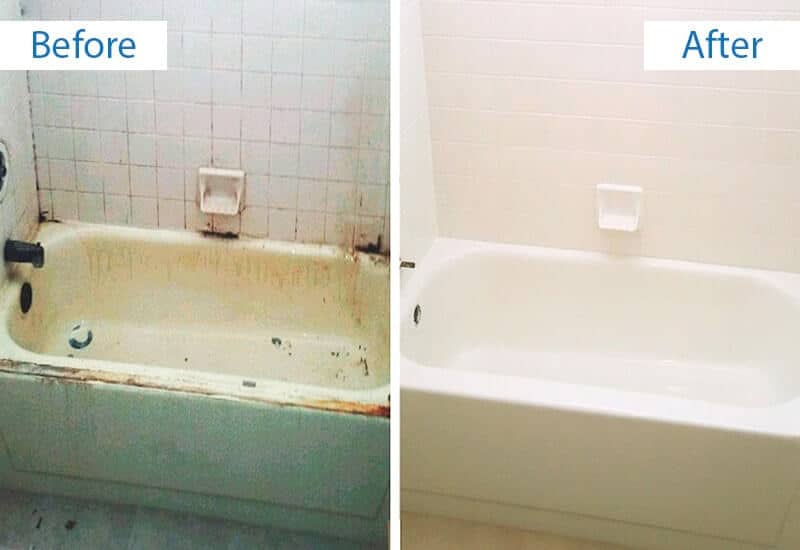
Bathtub Refinishing and Glazing: An old bathtub can have a major effect on the overall appearance of a bathroom. Even when the surrounding walls, flooring, fixtures, and tile are in good condition, a bathtub covered with stains, scratches, chips, discoloration, or a faded finish can make the entire space look worn and outdated. Fortunately, replacing the bathtub is not always necessary. Professional bathtub refinishing and glazing can restore the appearance of a suitable existing bathtub while avoiding much of the disruption associated with complete replacement.
KK Cleaning and Restoration provides professional bathroom restoration solutions for homeowners, landlords, property managers, condominium owners, and commercial properties. The bathtub refinishing and glazing process focuses on restoring the existing surface through thorough cleaning, detailed preparation, appropriate repairs, professional coating application, and careful finishing. This approach can give an aging bathtub a smoother, cleaner, and more refreshed appearance while allowing the existing fixture to remain in place.
What Are Bathtub Refinishing and Glazing?
Bathtub refinishing and glazing are restoration processes designed to renew the visible surface of an existing bathtub. Rather than removing the entire fixture, the existing surface is carefully cleaned, prepared, repaired where appropriate, and finished with specialized refinishing materials.
Over years of use, bathtubs are exposed to water, soap residue, body oils, mineral deposits, cleaning chemicals, and repeated physical contact. These factors can gradually affect the original surface, causing it to become dull, stained, scratched, faded, or difficult to clean. Refinishing and glazing provide a way to address these surface problems without automatically replacing the bathtub.
The terms refinishing, resurfacing, reglazing, and glazing are sometimes used interchangeably when discussing bathtub restoration. Although the terminology may vary, professional work should always involve careful surface preparation and appropriate application rather than simply covering visible problems.
For homeowners looking to improve an older bathroom, bathtub refinishing and glazing can provide a practical restoration option when the existing bathtub remains structurally suitable.
Why Bathtubs Lose Their Appearance Over Time
A bathtub is exposed to demanding conditions every day. Water and moisture are constant factors, while soap, shampoo, body oils, cleaning products, and mineral deposits can gradually accumulate on the surface. Regular scrubbing can also contribute to wear when abrasive products or unsuitable cleaning tools are used.
Hard-water deposits can create cloudy or discoloured areas that remain visible even after ordinary cleaning. Soap scum can become increasingly difficult to remove, while scratches and small chips may develop through everyday use. Older bathtub finishes can also lose their original shine and become dull or uneven.
These problems can make a bathtub appear dirty even when homeowners clean it regularly. In many cases, the underlying issue is deterioration of the original finish rather than a lack of cleaning.
Professional bathtub refinishing and glazing can help restore the visible surface when the bathtub is still structurally sound. Instead of continuing to struggle with a deteriorated finish, property owners can consider restoring the fixture as part of a broader bathroom improvement project.
Signs Your Bathtub Needs Refinishing and Glazing
Several visible conditions can indicate that bathtub refinishing and glazing may be appropriate. Persistent staining is one of the most common signs, especially when normal cleaning methods no longer produce a satisfactory result. A bathtub that remains discoloured, dull, or faded after repeated cleaning may have a deteriorated surface that requires professional restoration.
Scratches and minor chips can also make a bathtub look significantly older. When multiple small imperfections appear across the surface, they can affect both the visual appearance and the way residue accumulates.
Another sign is a surface that has become increasingly difficult to maintain. Rough or worn areas may make soap residue, mineral buildup, and dirt more noticeable.
Homeowners may also consider refinishing when the bathtub’s colour or overall appearance no longer suits a renovated bathroom. Instead of replacing a structurally sound fixture solely because it looks outdated, bathtub refinishing and glazing can provide an opportunity to renew its visible finish.
The Professional Bathtub Refinishing and Glazing Process
The success of bathtub refinishing and glazing depends heavily on proper preparation. Applying a new finish over an inadequately cleaned or poorly prepared surface can lead to inconsistent results and premature deterioration. Professional restoration therefore involves several carefully completed stages.
The process begins with assessing the bathtub and identifying its material, condition, surface damage, stains, chips, scratches, and previous repairs. This assessment helps determine whether the existing fixture is suitable for refinishing.
The surface is then thoroughly cleaned and degreased. Soap scum, body oils, mineral deposits, cleaning-product residue, dirt, and other contaminants must be removed so that the surface can be appropriately prepared.
Suitable chips, cracks, holes, and damaged areas can be repaired before the final coating is applied. These areas may need to be filled, sanded, smoothed, or otherwise prepared to create a more consistent foundation.
Surrounding tiles, walls, flooring, fixtures, caulking, and other nearby surfaces are carefully protected. The refinishing coating is then professionally applied to create an even and refreshed surface.
Once application is complete, the finished bathtub is inspected for consistency and coverage. The work area is cleaned, and appropriate aftercare instructions are provided so the restored finish can cure and be maintained properly.
Repairing Chips, Scratches, and Surface Damage
A major advantage of professional bathtub refinishing and glazing is that suitable surface imperfections can be addressed before the final finish is applied. A small chip or scratch may seem insignificant individually, but several damaged areas can make an entire bathtub look old and poorly maintained.
Simply covering these imperfections without proper preparation can leave visible irregularities beneath the new finish. Professional restoration focuses on preparing the damaged areas so they can be incorporated into the renewed surface as smoothly as possible.
Minor cracks, chips, holes, and uneven areas may be repaired and smoothed depending on their condition. This creates a better foundation for the refinishing material and helps produce a more consistent final appearance.
However, it is important to understand the difference between surface restoration and structural repair. A bathtub with extensive corrosion, major structural cracks, serious leaks, or severe deterioration may not be suitable for refinishing. In such situations, a professional assessment is necessary to determine whether restoration or replacement is more appropriate.
Bathtub Refinishing and Glazing Versus Replacement
Bathtub replacement can be the right choice when the existing fixture has serious structural problems. However, replacement is not always necessary simply because a bathtub has become stained, faded, scratched, or outdated.
Removing a bathtub can involve much more than taking out the fixture. Depending on the bathroom layout, replacement may disturb surrounding tiles, walls, flooring, plumbing connections, trim, and other finished surfaces. Additional repairs may therefore be required after the old bathtub is removed.
Bathtub refinishing and glazing provide an alternative when the existing fixture remains structurally sound. Instead of removing the tub, professionals restore the surface while keeping the fixture in its existing position.
This can reduce renovation disruption and preserve a bathtub’s existing size, shape, layout, and functionality. It can be especially useful for homeowners who want a cleaner and more modern appearance without turning a surface restoration project into a complete bathroom renovation.
The appropriate solution should always depend on the actual condition of the bathtub. Professional assessment can help determine whether refinishing is suitable or whether replacement is necessary.
Benefits of Professional Bathtub Refinishing and Glazing
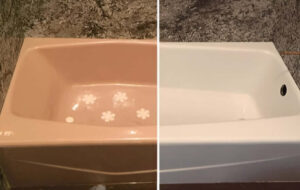
There are several benefits associated with professional bathtub refinishing and glazing. The most visible benefit is improved appearance. A stained, faded, scratched, or dull bathtub can become a clean and visually refreshed part of the bathroom after professional restoration.
Refinishing can also extend the useful life of an existing bathtub. When the underlying fixture remains structurally sound, restoring the surface may allow homeowners to continue using it rather than replacing it prematurely.
Another important advantage is reduced disruption. A complete bathtub replacement may require demolition and additional work throughout the bathroom, while refinishing focuses primarily on the existing fixture.
Professional refinishing can also improve the overall presentation of rental and commercial properties. Landlords and property managers can restore suitable bathtubs between occupants, while property owners preparing a home for sale can improve an important bathroom fixture without undertaking a complete renovation.
When properly maintained, a professionally restored bathtub can provide a clean and attractive surface that supports the overall appearance of the bathroom.
Bathtub Refinishing and Glazing for Toronto Properties
Bathtub refinishing and glazing can be useful for many types of residential and commercial properties throughout Toronto and the GTA. Homeowners may use the service when modernizing an older bathroom while retaining the existing bathtub.
Condominium owners can also benefit from restoration when they want to limit the scope of bathroom renovation work. Keeping the bathtub in place can help avoid some of the additional work that may accompany fixture removal and replacement.
Rental property owners may consider refinishing when a bathtub has accumulated cosmetic wear through repeated tenant use. Restoring the fixture can improve the bathroom’s presentation while preserving a functional existing bathtub.
Property managers can also use bathtub restoration as part of broader maintenance and improvement projects. When several bathroom surfaces require attention, bathtub refinishing and glazing can be combined with appropriate tile, grout, shower, caulking, or silicone restoration.
The suitability of refinishing depends on the individual bathtub. Material, condition, previous coatings, surface damage, and structural integrity should all be considered before the restoration process begins.
Maintaining a Refinished and Glazed Bathtub
Proper maintenance is essential after bathtub refinishing and glazing. A professionally restored surface still requires appropriate cleaning and care to maintain its appearance and avoid unnecessary damage.
The bathtub should be allowed to cure according to the professional’s instructions before normal use. Using the surface before the recommended curing period has ended can interfere with the finish and affect the restoration result.
After curing, homeowners should use suitable non-abrasive cleaning products and soft cleaning tools. Abrasive powders, rough scouring pads, aggressive scrubbing, and harsh chemicals can damage the renewed surface.
Regular cleaning is preferable to allowing soap scum and mineral deposits to accumulate. Removing residue routinely can help keep the bathtub looking clean and reduce the need for aggressive cleaning later.
Homeowners should also avoid dropping heavy objects into the bathtub because impact can chip or damage the restored surface. If new damage appears, addressing it promptly can help prevent the problem from becoming more extensive.
Proper aftercare is an important part of protecting the investment made in bathtub refinishing and glazing.
Why Choose KK Cleaning and Restoration?
Choosing an experienced restoration company is important because the quality of bathtub refinishing and glazing depends on more than the final coating. Surface preparation, repairs, application technique, protection of surrounding areas, curing, and final inspection all contribute to the finished result.
KK Cleaning and Restoration provides professional bathroom cleaning and restoration solutions for residential and commercial properties. The bathtub restoration approach focuses on carefully assessing the existing surface, removing contaminants, addressing suitable imperfections, preparing the bathtub, applying professional refinishing materials, and completing the project with attention to the final finish.
The company also provides related restoration services that can complement bathtub work. Depending on the condition of the bathroom, homeowners may require tile and grout cleaning, grout sealing, regrouting, shower restoration, caulking, silicone replacement, or tile and surface repair.
This broader restoration capability can be valuable when a bathtub is only one part of an aging bathroom. Addressing several suitable surfaces can help create a more consistent and refreshed appearance without requiring complete bathroom reconstruction.
For Toronto homeowners, landlords, property managers, condominium owners, and commercial property operators, bathtub refinishing and glazing can provide a practical way to restore a worn bathtub while preserving a structurally suitable existing fixture.
A bathtub does not necessarily need to be replaced simply because its surface has become dull, stained, scratched, chipped, or outdated. When the underlying fixture remains suitable, professional refinishing and glazing can renew its appearance and help it remain a functional part of the bathroom.
KK Cleaning and Restoration focuses on practical restoration solutions designed to improve existing bathroom surfaces. With proper preparation, professional application, appropriate curing, and regular maintenance, bathtub refinishing and glazing can provide an effective way to refresh an aging bathtub and improve the overall appearance of the bathroom.
Contact us now:
 Call us now at +16479163093
 Email: info@kkcleaningandrestoration.ca
 Visit: https://kkcleaningandrestoration.ca/
FAQs on “bathtub refinishing and glazing”
1. What is bathtub refinishing and glazing?
Bathtub refinishing and glazing is a professional restoration process used to renew the surface of an existing bathtub. The process generally involves deep cleaning, surface preparation, repairing suitable imperfections, and applying specialized refinishing materials. It can improve bathtubs affected by stains, scratches, chips, discoloration, fading, and general surface wear. This restoration approach allows a structurally suitable bathtub to be refreshed without automatically replacing the entire fixture.
2. Why should I choose bathtub refinishing and glazing instead of bathtub replacement?
Bathtub refinishing and glazing can be a practical alternative when the existing bathtub remains structurally sound but has an unattractive or deteriorated surface. Replacing a bathtub can involve demolition, plumbing adjustments, fixture removal, tile repairs, flooring work, and additional bathroom renovation. Professional refinishing focuses on restoring the existing surface while keeping the bathtub in place. This can reduce disruption while giving the bathroom a cleaner, more refreshed appearance.
3. What problems can bathtub refinishing and glazing fix?
Professional bathtub refinishing and glazing can address many common cosmetic surface problems, including stains, discoloration, fading, dullness, scratches, and minor chips. Suitable surface imperfections can be repaired and prepared before the new finish is applied. The process can also improve the appearance of a bathtub that has become difficult to maintain because of years of surface wear. Bathtubs with severe structural damage, extensive corrosion, or major cracks may require replacement instead.
4. Are bathtub refinishing, resurfacing, and reglazing the same thing?
Bathtub refinishing, resurfacing, and reglazing are closely related terms used to describe processes that renew an existing bathtub surface. The exact terminology may vary depending on the restoration company and the materials or application system being used. All of these services generally involve cleaning, preparation, surface repair where appropriate, and application of a renewed finish. The quality of bathtub refinishing and glazing depends more on proper preparation and professional application than on the specific name used for the service.
5. How does bathtub refinishing and glazing work?
A professional bathtub refinishing and glazing project normally begins with an inspection of the existing bathtub and its surface condition. The bathtub is thoroughly cleaned and prepared, while suitable chips, scratches, holes, or other imperfections may be repaired before coating application. Specialized refinishing materials are then applied carefully to create a smooth and consistent renewed surface. After application, the bathtub requires appropriate curing time before normal use and routine maintenance resumes.
6. Can bathtub refinishing and glazing restore an old bathtub?
Yes, bathtub refinishing and glazing can restore many older bathtubs when the underlying fixture remains structurally suitable. An old bathtub may look severely worn because of years of stains, scratches, discoloration, mineral deposits, and surface deterioration. Professional restoration can renew the visible finish and significantly improve the overall appearance without removing the existing fixture. A professional assessment is still important because severely damaged or structurally compromised bathtubs may not be appropriate candidates for refinishing.
7. Can bathtub refinishing and glazing repair scratches and chips?
Minor scratches and chips can often be addressed as part of the preparation process for bathtub refinishing and glazing. Depending on their condition, damaged areas may be filled, smoothed, sanded, or otherwise prepared before the final coating is applied. Proper preparation helps create a more uniform surface and reduces the visibility of suitable cosmetic imperfections. Major structural cracks or extensive damage require professional evaluation to determine whether refinishing is appropriate.
8. What types of bathtubs can be refinished and glazed?
Several common bathtub materials can potentially be restored through professional bathtub refinishing and glazing when their condition allows it. Suitable materials may include porcelain, fiberglass, acrylic, cast iron, and enamel-coated bathtub surfaces. The material, existing finish, structural condition, previous repairs, and extent of damage should all be evaluated before work begins. A professional assessment helps determine the appropriate preparation and refinishing approach for the specific bathtub.
9. How long does bathtub refinishing and glazing take?
The duration of bathtub refinishing and glazing depends on the condition of the bathtub, the amount of preparation required, the extent of surface damage, and the refinishing system being used. A bathtub with heavy buildup, previous coatings, or multiple imperfections may require additional preparation before the new finish can be applied. The surface also needs sufficient curing time before it can safely return to normal use. A professional restoration provider can give a more accurate timeframe after inspecting the bathtub.
10. How long does a refinished and glazed bathtub last?
The longevity of bathtub refinishing and glazing depends on the condition of the original fixture, preparation quality, refinishing materials, application technique, curing, and ongoing maintenance. Proper cleaning and careful use can help protect the renewed surface from unnecessary wear. A professionally restored bathtub can remain attractive and functional for an extended period when it is maintained according to appropriate care recommendations. Abrasive cleaners, harsh chemicals, impact damage, and improper cleaning can reduce the lifespan of the finish.
11. Is bathtub refinishing and glazing suitable for Toronto condos?
Bathtub refinishing and glazing can be a practical option for condominium owners who want to improve an existing bathroom without undertaking extensive demolition. Bathtub replacement may require additional work involving plumbing, surrounding tiles, walls, flooring, and fixture removal. Refinishing keeps the existing bathtub in place and focuses primarily on restoring its surface. Condo owners should still follow any applicable building rules and renovation requirements before arranging professional bathtub restoration.
12. Can landlords use bathtub refinishing and glazing between tenants?
Yes, landlords can use bathtub refinishing and glazing to improve the appearance of a suitable bathtub between rental occupants. Repeated use can cause stains, scratches, discoloration, fading, and general surface wear even when the bathtub remains functional. Professional refinishing can restore the visible surface without requiring complete bathtub replacement. This can help landlords present a cleaner-looking bathroom while keeping restoration work focused and manageable.
13. Can bathtub refinishing and glazing change the colour of a bathtub?
Depending on the refinishing system and available finish options, bathtub refinishing and glazing can provide an opportunity to update the visible colour of an existing bathtub. This can be particularly useful when an older bathtub has an outdated colour that no longer suits the bathroom design. A professional refinishing process can create a more consistent and refreshed appearance across the restored surface. The desired colour and finish should be discussed before work begins to ensure the selected option is appropriate for the bathtub.
14. Is professional bathtub refinishing and glazing better than DIY refinishing?
Professional bathtub refinishing and glazing requires careful preparation, suitable materials, controlled application, and appropriate curing procedures. DIY refinishing can produce inconsistent results when the surface is not thoroughly cleaned, repaired, prepared, or coated correctly. Professional restoration allows potential surface problems to be identified and addressed before the final finish is applied. This can help produce a more consistent appearance and reduce problems associated with improper adhesion or premature coating failure.
15. Why is surface preparation important for bathtub refinishing and glazing?
Surface preparation is one of the most important stages of successful bathtub refinishing and glazing. Soap residue, oils, mineral deposits, dirt, loose material, old coatings, and other contaminants can interfere with proper adhesion if they are not adequately removed. Preparation also provides an opportunity to repair and smooth suitable chips, scratches, holes, and uneven areas before refinishing. Skipping or rushing this stage can negatively affect the appearance, adhesion, and durability of the finished surface.
16. Can bathtub refinishing and glazing make an old tub easier to clean?
A professionally restored bathtub can provide a smoother and more consistent surface than one with significant wear and deterioration. Scratches, rough areas, and damaged finishes can make soap residue and mineral buildup more difficult to manage. Bathtub refinishing and glazing can renew the surface and support easier routine cleaning when the restoration is properly completed. Homeowners should still use appropriate non-abrasive products and gentle cleaning tools to protect the renewed finish.
17. How should I clean a bathtub after refinishing and glazing?
After bathtub refinishing and glazing, regular gentle cleaning is important for maintaining the renewed surface. Homeowners should generally avoid abrasive powders, harsh chemicals, rough scouring pads, and aggressive scrubbing methods. Regularly removing soap residue and mineral deposits can help prevent buildup and maintain the bathtub’s appearance. Following the restoration professional’s aftercare recommendations can help protect the finish and extend its useful service life.
18. Can bathtub refinishing and glazing be combined with other bathroom restoration services?
Yes, bathtub refinishing and glazing can be combined with other suitable bathroom restoration services when multiple surfaces require attention. Depending on the bathroom’s condition, homeowners may also need tile and grout cleaning, grout sealing, regrouting, shower restoration, caulking, or silicone replacement. Addressing compatible surfaces together can create a more consistent and refreshed bathroom appearance. KK Cleaning and Restoration provides related bathroom restoration services that can complement professional bathtub refinishing.
19. Is bathtub refinishing and glazing less disruptive than bathtub replacement?
In many suitable situations, bathtub refinishing and glazing can be less disruptive because the existing bathtub remains in place. Replacement can involve demolition, removal of the old fixture, plumbing adjustments, tile repairs, flooring work, and additional cleanup. Refinishing focuses on renewing the existing bathtub surface rather than reconstructing the surrounding bathroom. This makes professional refinishing an option for property owners who want significant visual improvement without a large-scale bathroom renovation.
20. Can a previously refinished bathtub be refinished and glazed again?
A previously refinished bathtub may sometimes receive another restoration treatment, but the existing finish must first be carefully evaluated. The condition of the previous coating, adhesion, peeling, surface damage, repair history, and underlying bathtub material can all affect whether another application is suitable. A professional bathtub refinishing and glazing service can assess the existing layers and determine the appropriate preparation requirements. If previous coatings are severely deteriorated or incompatible with another restoration, replacement may need to be considered.
21. When should I replace a bathtub instead of refinishing and glazing it?
Replacement may be more appropriate when a bathtub has extensive structural damage that cannot reasonably be corrected through surface restoration. Major cracks, severe corrosion, significant leaks, extensive deterioration, or serious damage to the underlying fixture can make bathtub refinishing and glazing unsuitable. A professional assessment can determine whether the bathtub has enough structural integrity to support a successful restoration. When the bathtub is structurally sound and the main problems are cosmetic, refinishing and glazing can be a practical restoration approach.
22. Can bathtub refinishing and glazing improve an outdated bathroom?
Yes, bathtub refinishing and glazing can make a noticeable difference when an aging bathtub is one of the most visible worn features in a bathroom. A faded, stained, scratched, or discoloured bathtub can make surrounding bathroom surfaces appear older even when they are relatively well maintained. Restoring the bathtub can create a cleaner, smoother, and more coordinated appearance without requiring complete bathroom replacement. The result can be further enhanced when appropriate tile, grout, shower, caulking, or silicone restoration is completed as part of the broader bathroom improvement.
23. How do I choose a professional bathtub refinishing and glazing service?
Look for a restoration company that provides detailed inspection, thorough cleaning, careful surface preparation, appropriate repairs, professional application, proper curing, and final quality inspection. Experience with different bathtub materials and surface conditions is also important because each bathtub may require a different preparation approach. A professional bathtub refinishing and glazing provider should explain whether the existing fixture is suitable for restoration rather than automatically recommending replacement. KK Cleaning and Restoration provides professional bathtub and bathroom restoration solutions for properties throughout Toronto and the GTA.
24. Why choose KK Cleaning and Restoration for bathtub refinishing and glazing?
KK Cleaning and Restoration provides professional cleaning and restoration solutions designed to improve existing bathroom surfaces. Its bathtub restoration approach focuses on careful assessment, detailed surface preparation, suitable repairs, professional refinishing application, protection of surrounding areas, and attention to the finished appearance. Professional bathtub refinishing and glazing can help restore a worn bathtub while allowing a structurally suitable fixture to remain in place. KK Cleaning and Restoration also provides related services such as tile and grout cleaning, regrouting, shower restoration, caulking, silicone replacement, and other bathroom restoration solutions.
Contact us now:
Call us now at +16479163093
Email: info@kkcleaningandrestoration.ca
Visit: https://kkcleaningandrestoration.ca/