Common Shower Grout Problems: Complete Guide by KK Cleaning and Restoration
Introduction: Common Shower Grout Problems
Common Shower Grout Problems: Shower grout plays a major role in maintaining the strength, appearance, cleanliness, and waterproof protection of tiled shower systems. While many homeowners focus primarily on tiles, grout is equally important because it keeps tiles secured, prevents moisture penetration, and helps preserve the overall structure of shower walls and floors. Unfortunately, grout is constantly exposed to water, humidity, soap residue, body oils, shampoo buildup, dirt, bacteria, and cleaning chemicals, making it vulnerable to several types of damage and deterioration over time.
Understanding common shower grout problems is essential for protecting bathrooms from long-term moisture damage, mold growth, discoloration, tile instability, and expensive repairs. When grout begins to crack, stain, weaken, or absorb excessive moisture, it can affect not only the appearance of a shower but also the structural integrity behind the tiles. Ignoring grout problems may eventually lead to hidden water damage, mold contamination, tile loosening, and costly restoration work.
Bathrooms are naturally high-moisture environments where grout experiences daily stress. Steam, water exposure, fluctuating temperatures, and poor ventilation gradually weaken grout surfaces. Over time, shower grout may become discolored, cracked, moldy, soft, loose, or damaged. These common shower grout problems affect both residential and commercial bathrooms and require proper maintenance to prevent larger complications.
Professional grout cleaning, grout sealing, waterproofing, mold prevention, tile restoration, and shower maintenance services help address common shower grout problems before they worsen. At KK Cleaning and Restoration, professional shower restoration and grout maintenance solutions help homeowners maintain durable, hygienic, and visually appealing shower systems.
Understanding the causes, warning signs, prevention methods, and restoration options associated with common shower grout problems can help property owners protect their tiled showers more effectively.
Understanding the Importance of Shower Grout
Shower grout serves multiple critical functions in tiled bathrooms.
Holds Tiles Securely
Grout helps stabilize tile placement.
Prevents Water Penetration
Healthy grout reduces moisture intrusion.
Improves Shower Appearance
Clean grout enhances visual consistency.
Supports Waterproofing
Grout contributes to moisture protection.
Reduces Tile Movement
Proper grout helps maintain structural integrity.
Understanding grout importance helps explain why common shower grout problems should never be ignored.
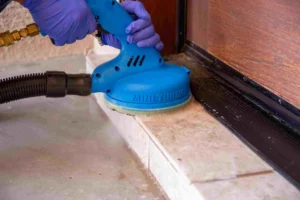
Why Common Shower Grout Problems Occur
Several factors contribute to grout deterioration in showers.
Constant Moisture Exposure
Shower grout remains wet frequently.
High Humidity Levels
Steam creates damp conditions continuously.
Soap and Shampoo Residue
Bathroom products leave buildup behind.
Poor Ventilation
Limited airflow slows drying.
Lack of Maintenance
Neglected grout weakens more rapidly.
These conditions create ideal environments for common shower grout problems to develop.
Cracked Grout in Showers
Cracked grout is one of the most frequent common shower grout problems.
Moisture Weakens Grout
Constant water exposure reduces strength.
Structural Movement Causes Stress
Shifting surfaces create grout fractures.
Improper Installation Increases Risk
Poor workmanship may lead to early cracking.
Aging Contributes to Deterioration
Older grout naturally weakens over time.
Water Penetration Becomes Dangerous
Cracks allow moisture behind tiles.
Cracked grout should be repaired quickly to prevent larger shower problems.
Why Cracked Grout Is Dangerous
Many homeowners underestimate the seriousness of grout cracks.
Water Reaches Hidden Areas
Moisture penetrates beneath tiles.
Mold Growth Increases
Damp areas support fungal contamination.
Tile Adhesives May Weaken
Water affects bonding materials.
Structural Damage Can Develop
Subfloors and walls become vulnerable.
Repairs Become More Expensive
Ignored damage worsens over time.
Cracked grout is one of the most serious common shower grout problems.
Mold and Mildew Growth in Shower Grout
Mold contamination is among the most noticeable common shower grout problems.
Grout Absorbs Moisture Easily
Porous grout retains dampness.
Steam Encourages Mold Growth
Bathrooms stay humid regularly.
Soap Residue Feeds Contamination
Organic buildup supports fungal development.
Poor Ventilation Worsens Conditions
Slow drying increases mold risks.
Black Stains Often Appear
Discoloration indicates contamination.
Professional cleaning helps address mold-related common shower grout problems effectively.
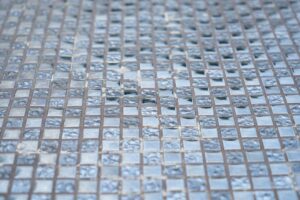
Why Moldy Grout Should Never Be Ignored
Mold affects both appearance and hygiene.
Air Quality May Decline
Fungal spores spread indoors.
Odors Develop
Mold creates unpleasant smells.
Grout Weakens Over Time
Contamination damages porous materials.
Health Risks Increase
Sensitive individuals may experience irritation.
Mold Spreads Quickly
Untreated contamination expands rapidly.
Mold is one of the most harmful common shower grout problems.
Grout Discoloration in Showers
Discolored grout is a widespread maintenance issue.
Dirt Builds Up Over Time
Contaminants settle into grout pores.
Hard Water Leaves Stains
Mineral deposits affect color consistency.
Soap Scum Causes Yellowing
Residue accumulates on surfaces.
Mold Creates Dark Spots
Fungal contamination stains grout.
Cleaning Chemicals Affect Appearance
Harsh products may discolor grout.
Grout discoloration is one of the most visible common shower grout problems.
Why Shower Grout Becomes Dark
Dark grout lines often indicate contamination.
Moisture Encourages Dirt Absorption
Wet grout traps particles easily.
Mold Develops in Damp Areas
Fungal growth darkens grout surfaces.
Cleaning Residue Builds Up
Soap and chemicals leave residue behind.
Poor Maintenance Accelerates Staining
Neglected grout darkens faster.
Sealing Protection Wears Away
Unprotected grout absorbs more contaminants.
Dark grout is a common sign of common shower grout problems.
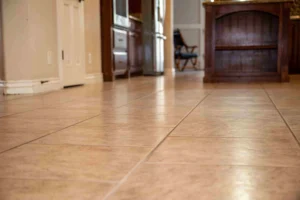
Loose or Missing Grout
Grout deterioration sometimes causes gaps and separation.
Moisture Weakens Grout Bonds
Water damages grout structure gradually.
Aging Causes Crumbling
Older grout becomes brittle.
Heavy Cleaning May Remove Grout
Aggressive scrubbing accelerates wear.
Poor Installation Reduces Durability
Weak grout mixtures fail earlier.
Water Penetration Increases
Open gaps expose hidden surfaces.
Loose grout is one of the most damaging common shower grout problems.
Why Shower Floors Experience Grout Damage Faster
Shower floors receive constant stress and exposure.
Water Pools Frequently
Floors remain wet longer.
Foot Traffic Creates Pressure
Movement affects grout stability.
Soap Residue Accumulates
Shower products settle on surfaces.
Dirt Gets Trapped
Particles collect in grout lines.
Drainage Problems Increase Moisture
Standing water worsens deterioration.
Floor grout commonly develops severe common shower grout problems faster than walls.
Hard Water Damage and Grout Problems
Mineral deposits significantly affect shower grout.
Calcium Residue Builds Up
Hard water leaves white stains.
Mineral Deposits Harden Over Time
Buildup becomes difficult to remove.
Grout Surface Changes Color
Discoloration develops gradually.
Moisture Retention Increases
Mineral layers trap dampness.
Surface Texture Becomes Rough
Deposits affect grout smoothness.
Hard water contributes heavily to common shower grout problems.
Why Poor Ventilation Causes Grout Problems
Bathrooms require proper airflow to control moisture.
Steam Remains Trapped
Humidity levels stay high.
Grout Dries Slowly
Dampness lasts longer after showers.
Mold Growth Accelerates
Wet conditions support contamination.
Odors Increase
Moisture creates stale bathroom smells.
Surface Deterioration Worsens
Persistent moisture weakens grout.
Poor ventilation increases the severity of common shower grout problems.
Grout Shrinkage Problems
Some grout installations develop shrinking issues over time.
Improper Mixing Causes Weakness
Incorrect grout consistency affects curing.
Moisture Loss Creates Gaps
Drying shrinkage separates grout lines.
Structural Movement Adds Pressure
Expansion and contraction affect grout.
Low-Quality Materials Fail Faster
Weak products deteriorate prematurely.
Water Penetration Becomes Easier
Shrunken grout exposes tile edges.
Shrinkage is another form of common shower grout problems.
Why Waterproofing Matters for Shower Grout
Waterproofing protects both grout and surrounding structures.
Moisture Penetration Decreases
Protected surfaces absorb less water.
Mold Risks Decline
Dry grout discourages contamination.
Structural Damage Is Reduced
Waterproof barriers protect walls and floors.
Tile Stability Improves
Healthy grout supports stronger installations.
Long-Term Durability Increases
Protected showers last longer.
Waterproofing helps prevent many common shower grout problems.
Soap Scum and Shower Grout Problems
Soap buildup affects grout appearance and cleanliness.
Residue Collects Daily
Shower products leave films behind.
Moisture Combines With Soap
Sticky buildup forms quickly.
Dirt Adheres More Easily
Contaminants attach to residue.
Mold Growth Increases
Organic buildup feeds fungal contamination.
Grout Appearance Dulls
Residue reduces surface brightness.
Soap scum contributes heavily to common shower grout problems.
Why Shower Corners Develop More Grout Problems
Corners experience limited airflow and constant moisture.
Water Collects in Edges
Corners stay damp longer.
Ventilation Is Reduced
Air circulation becomes restricted.
Mold Growth Accelerates
Dark and wet conditions encourage contamination.
Soap Residue Builds Up
Corners trap cleaning residue easily.
Cleaning Is More Difficult
Tight spaces collect dirt rapidly.
Corners are highly vulnerable to common shower grout problems.
Why Old Grout Deteriorates
Aging affects grout strength and performance.
Years of Moisture Exposure Weaken Structure
Water gradually breaks down grout.
Repeated Cleaning Causes Wear
Scrubbing affects surface texture.
Sealants Lose Effectiveness
Protection fades over time.
Mold and Stains Accumulate
Older grout absorbs more contaminants.
Cracks Develop Naturally
Aging materials become brittle.
Old grout commonly develops severe common shower grout problems.
Why Grout Sealing Is Important
Sealing protects grout from contamination and moisture.
Water Absorption Decreases
Protected grout resists dampness better.
Dirt Penetration Slows
Contaminants remain near the surface.
Mold Risks Are Reduced
Dry grout discourages fungal growth.
Cleaning Becomes Easier
Protected grout requires less scrubbing.
Appearance Lasts Longer
Sealed grout maintains color better.
Sealing helps reduce common shower grout problems significantly.
Common Shower Grout Problems and Tile Stability
Damaged grout affects the entire tile system.
Tiles Lose Structural Support
Weak grout reduces stability.
Moisture Reaches Adhesives
Water damages bonding materials.
Tiles May Shift
Movement creates additional stress.
Gaps Increase Water Exposure
Open spaces worsen moisture penetration.
Repairs Become More Complex
Ignoring grout damage affects larger areas.
Tile systems rely heavily on healthy grout to avoid common shower grout problems.
Why Professional Grout Cleaning Matters
Professional maintenance removes deeper contamination.
Mold and Bacteria Are Reduced
Sanitization improves hygiene.
Embedded Dirt Is Removed
Deep cleaning restores appearance.
Hard Water Deposits Are Addressed
Mineral buildup is reduced.
Safe Products Protect Surfaces
Proper cleaning preserves grout condition.
Long-Term Results Improve
Professional care extends grout lifespan.
Professional maintenance helps control common shower grout problems effectively.
Common Shower Grout Problems in Commercial Bathrooms
Commercial showers experience heavy use and moisture exposure.
Traffic Increases Wear
Frequent use stresses grout lines.
Cleaning Challenges Grow
Large spaces collect more contamination.
Moisture Levels Stay High
Commercial showers remain damp regularly.
Mold Risks Increase
Shared spaces encourage contamination spread.
Maintenance Needs Become Greater
Frequent care is essential.
Commercial showers often experience severe common shower grout problems.
Why Shower Maintenance Is Essential
Routine maintenance protects grout and tile systems.
Small Problems Are Identified Early
Preventive care limits damage.
Moisture Is Better Controlled
Dry surfaces resist contamination.
Mold Growth Is Reduced
Regular cleaning supports hygiene.
Tile Appearance Improves
Maintained showers look fresher.
Repair Costs Stay Lower
Early intervention prevents major damage.
Consistent maintenance helps minimize common shower grout problems.
Common Shower Grout Problems and Indoor Hygiene
Damaged grout affects bathroom cleanliness.
Mold and Bacteria Thrive
Wet grout supports contamination.
Odors Develop
Damp surfaces create unpleasant smells.
Air Quality May Decline
Fungal spores spread indoors.
Dirty Grout Harbors Germs
Porous surfaces trap bacteria.
Moisture Encourages Contamination
Wet bathrooms remain harder to sanitize.
Healthy grout supports better indoor hygiene and reduces common shower grout problems.
Why Harsh Chemicals Damage Grout
Improper cleaning products weaken grout over time.
Acidic Cleaners Erode Surfaces
Harsh chemicals damage grout texture.
Bleach Causes Discoloration
Strong products alter grout color.
Sealants Break Down Faster
Chemical exposure reduces protection.
Grout Becomes More Porous
Damaged surfaces absorb contaminants easier.
Cracking Risks Increase
Weak grout deteriorates more rapidly.
Incorrect cleaning methods contribute to common shower grout problems.
Shower Waterproofing and Grout Protection
Waterproofing systems support grout durability.
Moisture Penetration Is Reduced
Waterproof barriers improve protection.
Mold Risks Decline
Dry surfaces discourage fungal growth.
Structural Materials Stay Safer
Walls and floors resist water damage.
Grout Lasts Longer
Protected grout remains stronger.
Maintenance Improves
Healthy surfaces require fewer repairs.
Waterproofing helps reduce many common shower grout problems.
Why Regrouting Becomes Necessary
Some grout problems require complete replacement.
Severe Cracking Cannot Be Repaired Easily
Damaged grout loses stability.
Mold Penetration Becomes Deep
Contamination spreads beneath surfaces.
Missing Grout Creates Gaps
Open spaces expose tile systems.
Water Damage Worsens
Leaks develop behind walls and floors.
Surface Appearance Declines
Old grout affects bathroom aesthetics.
Regrouting is sometimes the best solution for severe common shower grout problems.
Common Shower Grout Problems and Property Value
Bathroom condition affects property appearance significantly.
Dirty Grout Looks Neglected
Appearance influences buyer impressions.
Mold Suggests Moisture Issues
Visible contamination raises concerns.
Cracked Grout Indicates Damage
Maintenance problems become noticeable.
Bathrooms Affect Home Appeal
Clean showers improve presentation.
Preventive Care Protects Investments
Maintained bathrooms support stronger value.
Addressing common shower grout problems helps preserve property condition.
Why Homeowners Trust KK Cleaning and Restoration
KK Cleaning and Restoration provides professional grout cleaning, shower restoration, waterproofing, tile maintenance, mold prevention, regrouting, and sealing solutions designed to improve shower durability and hygiene.
Professional services help restore grout appearance, reduce moisture damage, improve waterproofing, eliminate contamination, and preserve tiled shower systems. Experienced restoration methods support healthier, cleaner, and longer-lasting bathrooms.
Final Thoughts on Common Shower Grout Problems
Shower grout experiences constant exposure to water, steam, soap residue, humidity, cleaning chemicals, and daily wear. Over time, these conditions create a wide range of common shower grout problems including cracking, mold growth, discoloration, loose grout, hard water buildup, moisture penetration, shrinking, and surface deterioration.
Ignoring grout damage can lead to larger issues such as mold contamination, tile instability, structural water damage, unpleasant odors, weakened waterproofing, and expensive repairs. Understanding the warning signs and causes of common shower grout problems allows homeowners to take preventive action before serious damage occurs.
Proper shower maintenance includes regular cleaning, grout sealing, waterproofing, ventilation improvement, mold prevention, moisture control, and professional restoration when necessary. Maintaining healthy grout improves bathroom hygiene, appearance, waterproof protection, and long-term durability.
Professional grout cleaning and restoration services help preserve tiled showers while reducing the risks associated with moisture and contamination. Investing in proper shower grout maintenance protects bathrooms from deterioration and supports cleaner, safer, and more attractive living spaces for years to come.
Contact us now:
 Call us now at +16479163093
 Email: info@kkcleaningandrestoration.ca
 Visit: https://kkcleaningandrestoration.ca/
Frequently Asked Questions About Common Shower Grout Problems
1. What are the most common shower grout problems?
The most common shower grout problems include cracking, discoloration, mold growth, loose grout, staining, shrinking, and water damage. These problems usually develop because grout is constantly exposed to moisture, soap residue, humidity, and cleaning chemicals. Over time, grout weakens and becomes more porous. Damaged grout can affect both the appearance and durability of a shower. Early maintenance helps prevent larger issues from developing.
2. Why does shower grout crack?
Shower grout cracks because of moisture exposure, structural movement, aging, and improper installation. Constant temperature changes inside bathrooms also place stress on grout lines. Weak or poorly mixed grout may deteriorate faster over time. Cracks allow water to penetrate behind tiles and cause hidden damage. Repairing cracked grout quickly helps prevent expensive repairs.
3. Is cracked grout in a shower dangerous?
Yes, cracked grout can become a serious problem if left untreated. Water can seep through the cracks and reach the wall or floor beneath the tiles. This moisture may lead to mold growth, wood rot, and weakened tile adhesion. Over time, structural damage can become expensive to repair. Addressing grout cracks early helps protect the entire shower system.
4. Why does shower grout turn black?
Shower grout often turns black because of mold, mildew, dirt, and moisture buildup. Bathrooms create humid environments where fungal growth spreads easily. Soap scum and body oils also contribute to discoloration. Poor ventilation can make the problem worse by slowing down drying times. Professional cleaning and sealing help reduce future discoloration.
5. What causes mold in shower grout?
Mold develops in shower grout because grout absorbs moisture and remains damp for long periods. Warm bathroom temperatures and limited airflow create ideal growing conditions. Soap residue and organic materials feed mold growth over time. Mold usually appears as black, green, or dark stains between tiles. Proper ventilation and sealing help prevent mold problems.
6. Can moldy grout affect indoor air quality?
Yes, moldy grout can negatively affect indoor air quality by releasing spores into the air. Bathrooms with heavy mold growth may develop musty odors and unhealthy conditions. People with allergies or respiratory sensitivities may experience irritation. Moisture problems also encourage additional bacterial contamination. Keeping grout clean and dry supports healthier indoor environments.
7. Why does shower grout become discolored?
Shower grout becomes discolored because it absorbs dirt, soap residue, hard water minerals, oils, and moisture. Over time, these contaminants settle deep into porous grout lines. Mold and mildew may also darken the grout surface. Harsh cleaning chemicals sometimes cause fading or uneven color changes. Sealing grout helps reduce discoloration.
8. What causes grout to fall out of shower tiles?
Grout may fall out because of aging, water damage, poor installation, or excessive movement within the tile structure. Weak grout eventually becomes brittle and begins crumbling. Moisture penetration behind tiles can also loosen grout over time. Missing grout creates openings where water can spread more easily. Regrouting is often necessary when large sections become loose.
9. Why does shower floor grout wear out faster?
Shower floor grout wears out faster because it experiences constant water exposure and foot traffic. Soap, shampoo, dirt, and standing water collect heavily on floors. Movement and pressure also weaken grout lines over time. Poor drainage can make moisture problems even worse. Regular sealing helps improve floor grout durability.
10. Can hard water damage shower grout?
Yes, hard water can damage shower grout by leaving mineral deposits that stain and weaken surfaces. Calcium and magnesium buildup create rough textures and white residue. Over time, hard water stains become difficult to remove. Mineral accumulation also traps moisture and dirt. Professional cleaning helps restore affected grout.
11. Why does poor ventilation affect shower grout?
Poor ventilation traps humidity and slows down drying inside bathrooms. Damp grout remains wet longer, creating ideal conditions for mold and mildew growth. Excess moisture also weakens grout and increases staining. Bathrooms without proper airflow often develop odors and discoloration faster. Ventilation improvements help protect shower grout.
12. What is grout shrinkage?
Grout shrinkage occurs when grout pulls away from tile edges or develops small gaps after installation. This usually happens because of improper mixing or drying problems. Shrinking grout may create openings where water can penetrate. Over time, moisture damage may worsen behind the tiles. Proper installation techniques help reduce shrinkage risks.
13. Why is grout sealing important in showers?
Grout sealing is important because grout is naturally porous and absorbs water easily. Sealing creates a protective barrier that reduces moisture penetration and staining. Sealed grout also resists mold growth more effectively. Maintenance becomes easier because dirt stays closer to the surface. Regular sealing extends grout lifespan significantly.
14. How often should shower grout be sealed?
Most shower grout should be sealed every one to two years depending on usage and moisture exposure. High-use bathrooms may require more frequent sealing. Signs that grout needs resealing include water absorption, staining, and discoloration. Professional inspections help determine proper maintenance schedules. Consistent sealing protects shower durability.
15. Why does soap scum affect grout?
Soap scum leaves residue that sticks to grout surfaces and traps dirt and moisture. Over time, the buildup becomes thicker and more difficult to remove. Soap residue also encourages mold and mildew growth in damp areas. Dirty grout may appear yellow, gray, or darkened. Regular cleaning helps control soap scum buildup.
16. Can harsh cleaners damage shower grout?
Yes, harsh cleaners can weaken grout by eroding its surface and removing protective sealants. Acidic or abrasive products may cause discoloration and cracking over time. Bleach can also dry out grout and make it more porous. Damaged grout absorbs contaminants more easily afterward. Gentle cleaning methods are safer for long-term maintenance.
17. Why do shower corners develop more grout problems?
Shower corners collect moisture and soap residue because airflow is limited in tight spaces. Water often pools in corners after showers, increasing dampness. Mold and mildew thrive in these dark and humid areas. Cleaning corners thoroughly can also be more difficult. Regular maintenance helps reduce corner grout deterioration.
18. What are signs of water damage behind shower tiles?
Signs of hidden water damage include loose tiles, soft walls, peeling paint, mold odors, and persistent moisture. Cracked or missing grout often allows water to seep behind tiles. Over time, the moisture may weaken structural materials. Stains or swelling outside the shower area may also appear. Professional inspection is important if hidden damage is suspected.
19. Can old grout be restored?
Yes, old grout can often be restored through professional cleaning, sealing, recoloring, or regrouting services. Surface stains and discoloration may improve significantly after restoration. However, severely cracked or crumbling grout may require complete replacement. Proper restoration improves both appearance and durability. Professional maintenance extends grout lifespan.
20. Why does grout become soft?
Grout becomes soft when excessive moisture penetrates and weakens its structure over time. Water damage, mold contamination, and improper installation may contribute to soft grout. Soft grout often crumbles or pulls away from tiles easily. This condition allows additional water penetration behind the shower walls. Repairing soft grout quickly prevents further deterioration.
21. Can damaged grout cause tiles to loosen?
Yes, damaged grout may eventually cause tiles to loosen because grout helps stabilize the tile system. Water penetration weakens adhesives beneath the tiles over time. As grout cracks or falls out, movement increases between tiles. Loose tiles may crack or separate from walls completely. Timely grout repairs help preserve tile stability.
22. Why is regrouting sometimes necessary?
Regrouting becomes necessary when grout is severely cracked, moldy, missing, or structurally weak. Surface cleaning alone may not solve deep deterioration problems. Replacing old grout restores waterproofing and improves tile stability. Fresh grout also enhances bathroom appearance significantly. Regrouting extends the life of tiled showers.
23. Can mold return after grout cleaning?
Yes, mold can return if moisture problems are not properly controlled after cleaning. Poor ventilation, constant humidity, and water penetration encourage mold regrowth. Sealing grout and improving airflow help reduce future contamination. Routine maintenance is also important for long-term prevention. Consistent moisture control is the key to mold prevention.
24. Why do shower grout lines stain easily?
Shower grout lines stain easily because grout is porous and absorbs contaminants quickly. Soap residue, dirt, oils, and hard water minerals settle into grout surfaces over time. Unsealed grout is especially vulnerable to staining. Frequent moisture exposure worsens discoloration problems. Protective sealing helps reduce stain absorption.
25. Can professional grout cleaning improve shower appearance?
Yes, professional grout cleaning can dramatically improve shower appearance by removing embedded dirt, stains, mold, and discoloration. Clean grout creates a brighter and fresher bathroom environment. Restored grout also improves tile uniformity and visual appeal. Professional cleaning reaches deeper contamination than ordinary scrubbing. Proper maintenance helps maintain cleaner results longer.
26. Why does grout absorb moisture?
Grout absorbs moisture because it is naturally porous unless properly sealed. Tiny openings within grout allow water and contaminants to penetrate beneath the surface. Bathrooms and showers expose grout to constant humidity and water contact. Over time, moisture weakens grout and encourages mold growth. Sealing helps reduce absorption significantly.
27. Can shower grout affect bathroom odors?
Yes, dirty or moldy grout can create unpleasant bathroom odors. Moisture trapped within grout encourages mold, mildew, and bacterial growth. These contaminants often produce musty smells over time. Soap scum and organic residue may also contribute to odors. Proper cleaning and sealing improve bathroom freshness.
28. Why does shower grout deteriorate over time?
Shower grout deteriorates because of constant water exposure, humidity, cleaning chemicals, and daily wear. Temperature changes also create expansion and contraction stress. Over time, grout loses strength and becomes more vulnerable to cracking and staining. Lack of maintenance accelerates deterioration significantly. Preventive care helps extend grout durability.
29. What causes grout discoloration around drains?
Grout near drains often becomes darker because water and soap residue collect heavily in these areas. Drain locations stay wetter longer than surrounding surfaces. Mold and mildew may also develop because of trapped moisture. Dirt and shampoo residue accumulate more rapidly near drains. Frequent cleaning helps reduce buildup.
30. Why is shower waterproofing important?
Shower waterproofing protects walls, floors, and grout from water penetration and structural damage. Waterproof barriers reduce moisture absorption beneath tiles. Proper waterproofing also helps prevent mold growth and hidden leaks. Bathrooms remain cleaner and more durable with effective moisture control. Waterproofing supports long-term shower performance.
31. Can grout cleaning remove hard water stains?
Professional grout cleaning can help remove many hard water stains and mineral deposits from shower grout. Specialized cleaning methods break down calcium and mineral buildup more effectively than ordinary cleaning. Severe staining may require restoration treatments depending on the condition. Proper maintenance helps prevent future buildup. Sealing also improves stain resistance.
32. Why do some grout lines crumble?
Grout lines crumble because of aging, moisture damage, poor installation, or low-quality materials. Excessive scrubbing and harsh chemicals may also weaken grout surfaces. Crumbling grout loses structural strength and exposes tiles to water penetration. Over time, larger gaps may develop between tiles. Regrouting may be necessary for severe deterioration.
33. Can grout problems spread behind walls?
Yes, grout problems can allow water to spread behind shower walls and floors. Moisture trapped beneath tiles may damage wood, drywall, and insulation materials. Hidden mold growth often develops in damp enclosed spaces. Structural damage becomes more expensive when moisture problems remain untreated. Early repairs help prevent hidden deterioration.
34. Why do shower grout problems return repeatedly?
Shower grout problems often return because moisture control and maintenance are incomplete. Bathrooms with poor ventilation stay damp for long periods. Unsealed grout absorbs water and contaminants repeatedly. Surface cleaning alone may not fix deeper moisture issues. Proper sealing and waterproofing help reduce recurring problems.
35. Can sealing prevent shower grout stains?
Yes, sealing helps prevent many shower grout stains by reducing moisture and contaminant absorption. Protected grout resists soap residue, dirt, oils, and hard water buildup more effectively. Sealed surfaces remain easier to clean during regular maintenance. While sealing does not make grout stain-proof, it significantly improves protection. Routine resealing maintains effectiveness.
36. Why is shower grout maintenance important?
Shower grout maintenance is important because grout protects tile stability and waterproofing. Neglected grout may crack, stain, absorb moisture, and develop mold over time. Routine care helps preserve bathroom hygiene and appearance. Preventive maintenance also reduces expensive restoration costs. Healthy grout supports longer-lasting tile systems.
37. Can damaged grout lower property value?
Yes, damaged grout can negatively affect property value because bathrooms strongly influence buyer impressions. Moldy, cracked, or stained grout makes bathrooms appear poorly maintained. Water damage concerns may also discourage potential buyers. Clean and restored showers improve property presentation significantly. Proper maintenance protects long-term home value.
38. Why do commercial showers experience more grout problems?
Commercial showers experience more grout problems because they receive heavier daily use and constant moisture exposure. Shared bathrooms often stay humid and damp for extended periods. Increased traffic accelerates wear and contamination buildup. Mold and discoloration may spread faster in busy environments. Frequent professional maintenance becomes especially important.
39. Can professional maintenance extend grout lifespan?
Yes, professional maintenance significantly extends grout lifespan by controlling moisture, mold, stains, and deterioration. Deep cleaning removes contaminants that weaken grout over time. Sealing also improves moisture resistance and surface durability. Routine inspections help identify early signs of damage. Proper care keeps grout stronger for many years.
40. Why do homeowners trust KK Cleaning and Restoration for shower grout services?
Homeowners trust KK Cleaning and Restoration for professional grout cleaning, grout restoration, mold prevention, waterproofing, shower maintenance, and regrouting solutions. Professional services help improve shower appearance, hygiene, and moisture protection. Experienced restoration methods address both surface stains and deeper grout issues. Quality workmanship supports long-lasting bathroom durability. Proper grout maintenance helps preserve clean and attractive shower spaces.
Contact us now:
Call us now at +16479163093
Email: info@kkcleaningandrestoration.ca
Visit: https://kkcleaningandrestoration.ca/