Grout Waterproofing in Toronto: Complete Guide by KK Cleaning and Restoration
Introduction: Grout Waterproofing in Toronto
Grout Waterproofing in Toronto: Bathrooms, showers, kitchens, laundry rooms, and tiled floors constantly face exposure to moisture, humidity, spills, and water buildup. While tiles themselves may appear durable and water resistant, grout is often the most vulnerable part of a tiled surface. Grout is naturally porous, meaning it absorbs water, dirt, soap residue, oils, bacteria, and contaminants over time. Without proper protection, grout deterioration can lead to mold growth, stains, structural damage, loose tiles, unpleasant odors, and expensive repairs. This is why grout waterproofing in Toronto has become an essential service for homeowners and commercial property owners who want to maintain durable and hygienic tiled surfaces.
Toronto properties experience unique environmental conditions that increase the importance of grout protection. Seasonal humidity changes, winter moisture, heavy indoor water use, and fluctuating temperatures all contribute to grout deterioration. Bathrooms and showers are especially vulnerable because they remain exposed to constant steam and moisture. Kitchens and entryways also experience water exposure, dirt buildup, and heavy foot traffic that affect grout condition over time.
Understanding grout waterproofing in Toronto helps property owners protect tile systems from moisture penetration and long-term deterioration. Waterproof grout supports healthier indoor environments, cleaner surfaces, stronger tile installations, and improved property appearance. Proper grout sealing and waterproofing also reduce maintenance costs and extend the lifespan of tiled surfaces.
At KK Cleaning and Restoration, professional grout waterproofing, grout cleaning, tile restoration, mold prevention, shower sealing, regrouting, and tile maintenance services help homeowners preserve beautiful and long-lasting tiled spaces. Professional waterproofing solutions improve both the appearance and durability of residential and commercial tile systems.
Understanding Grout Waterproofing in Toronto
Grout waterproofing in Toronto involves protecting grout lines from water absorption and contamination.
Grout Is Naturally Porous
Unprotected grout absorbs moisture easily.
Waterproofing Creates Protection
Sealers reduce water penetration significantly.
Bathrooms Require Extra Protection
High humidity increases grout vulnerability.
Tile Systems Depend on Healthy Grout
Stable grout supports tile durability.
Moisture Damage Can Become Expensive
Prevention reduces long-term repair costs.
Understanding grout waterproofing in Toronto helps property owners maintain stronger tiled surfaces.
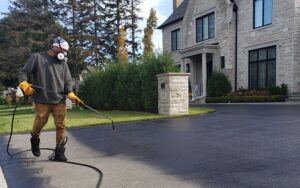
Why Grout Waterproofing in Toronto Is Important
Waterproofing protects both appearance and structure.
Moisture Penetration Is Reduced
Protected grout absorbs less water.
Mold Growth Risks Decrease
Dry surfaces discourage contamination.
Grout Lasts Longer
Waterproof grout resists deterioration.
Cleaning Becomes Easier
Sealed grout traps less dirt.
Tile Stability Improves
Healthy grout supports stronger installations.
Professional grout waterproofing in Toronto helps preserve tile systems effectively.
Why Toronto Homes Need Grout Waterproofing
Toronto properties experience heavy indoor moisture exposure.
Bathrooms Produce Constant Humidity
Steam affects grout continuously.
Seasonal Temperature Changes Impact Tile Systems
Expansion and contraction stress grout lines.
Winter Moisture Increases Indoor Dampness
Wet conditions affect surfaces.
Kitchens Experience Frequent Water Exposure
Spills and cleaning contribute to moisture buildup.
Entryways Collect Outdoor Moisture
Rain and snow increase water contamination.
These conditions make grout waterproofing in Toronto especially important.

How Moisture Damages Grout
Water penetration gradually weakens grout structure.
Grout Absorbs Water Deeply
Porous surfaces trap moisture.
Mold Develops Easily
Wet grout supports fungal growth.
Stains Become More Noticeable
Contaminants penetrate grout lines.
Grout Weakens Over Time
Moisture reduces structural strength.
Tile Adhesion May Decline
Water affects bonding materials.
Grout waterproofing in Toronto helps prevent these common problems.
Common Signs You Need Grout Waterproofing
Several warning signs indicate vulnerable grout.
Grout Darkens Quickly
Moisture absorption increases discoloration.
Mold Appears Frequently
Persistent dampness encourages contamination.
Water Stops Beading on Grout
Sealers may have worn away.
Grout Cracks or Crumbles
Moisture weakens structure gradually.
Tiles Feel Loose
Water damage affects tile support.
These signs suggest grout waterproofing in Toronto may be necessary.
Grout Waterproofing in Toronto for Bathrooms
Bathrooms require strong moisture protection.
Steam Keeps Surfaces Damp
Humidity affects grout constantly.
Soap Residue Builds Up
Bathroom products leave contaminants behind.
Mold Risks Increase
Wet environments encourage fungal growth.
Grout Absorbs Water Daily
Shower use creates continuous exposure.
Waterproofing Improves Hygiene
Dry grout stays cleaner longer.
Professional grout waterproofing in Toronto protects bathroom tile systems effectively.
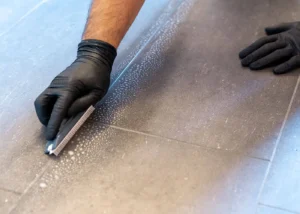
Why Shower Grout Needs Waterproofing
Showers experience the highest moisture exposure in homes.
Water Contact Is Constant
Shower walls and floors remain wet frequently.
Soap Scum Collects Quickly
Residue settles into grout pores.
Mold Grows in Damp Areas
Humidity creates ideal conditions.
Cracks Allow Water Penetration
Damaged grout exposes hidden surfaces.
Waterproofing Supports Durability
Protected grout resists deterioration.
Shower maintenance depends heavily on grout waterproofing in Toronto.
Grout Waterproofing in Toronto for Kitchen Tiles
Kitchens expose grout to spills, grease, and moisture.
Water Splashes Near Sinks
Grout absorbs moisture easily.
Food Spills Cause Staining
Porous grout traps contaminants.
Grease Buildup Affects Appearance
Residue dulls grout surfaces.
Cleaning Chemicals Cause Wear
Harsh products weaken grout.
Waterproofing Simplifies Maintenance
Protected grout stays cleaner longer.
Kitchen tile systems benefit greatly from grout waterproofing in Toronto.
Why Mold Prevention Matters
Mold growth is one of the biggest grout-related concerns.
Damp Grout Encourages Contamination
Moisture supports fungal development.
Bathrooms Stay Humid
Steam slows drying times.
Mold Spreads Quickly
Untreated contamination expands rapidly.
Odors Develop
Mold creates unpleasant smells.
Indoor Hygiene Declines
Contaminated surfaces affect cleanliness.
Grout waterproofing in Toronto helps reduce mold risks significantly.
Grout Waterproofing in Toronto for Shower Floors
Shower floors require strong waterproof protection.
Standing Water Increases Moisture Exposure
Floors remain wet longer.
Foot Traffic Weakens Grout
Movement creates stress on grout lines.
Soap Residue Builds Up Rapidly
Products settle heavily on floors.
Drain Areas Trap Moisture
Water accumulates around drains.
Waterproofing Improves Floor Durability
Protected grout remains stronger longer.
Professional grout waterproofing in Toronto helps preserve shower floors effectively.
Why Grout Sealing Is Essential
Sealing is the foundation of grout waterproofing.
Sealers Create Protective Barriers
Water penetration decreases significantly.
Dirt Absorption Slows
Contaminants remain closer to the surface.
Mold Risks Decline
Dry grout discourages fungal growth.
Surface Appearance Improves
Grout maintains cleaner color longer.
Cleaning Becomes Easier
Protected grout requires less scrubbing.
Grout waterproofing in Toronto depends heavily on proper sealing methods.
How Grout Waterproofing Improves Tile Lifespan
Healthy grout supports entire tile systems.
Water Damage Is Reduced
Moisture stays near the surface.
Tile Stability Improves
Strong grout supports secure installation.
Cracking Risks Decrease
Protected grout remains stronger longer.
Mold Damage Declines
Dry surfaces resist contamination.
Restoration Costs Stay Lower
Preventive care reduces repairs.
Grout waterproofing in Toronto helps extend tile durability significantly.
Why Toronto Bathrooms Need Regular Grout Maintenance
Bathrooms experience continuous moisture exposure.
Steam Affects Grout Daily
Humidity weakens porous surfaces.
Soap and Shampoo Leave Residue
Contaminants settle into grout lines.
Mold Risks Increase in Humid Spaces
Bathrooms remain damp frequently.
Hard Water Causes Mineral Buildup
Deposits discolor grout over time.
Maintenance Prevents Larger Problems
Routine care improves longevity.
Regular grout waterproofing in Toronto helps maintain healthier bathrooms.
Grout Waterproofing in Toronto and Indoor Hygiene
Clean grout supports healthier indoor spaces.
Mold Growth Is Reduced
Dry grout discourages contamination.
Odors Improve
Moisture problems decrease significantly.
Dirt Accumulation Slows
Protected grout traps fewer contaminants.
Bathrooms Stay Cleaner
Waterproof surfaces remain easier to maintain.
Bacteria Risks Decrease
Dry surfaces support hygiene.
Professional grout waterproofing in Toronto improves indoor cleanliness.
Why Hard Water Affects Grout
Toronto homes often experience hard water buildup.
Mineral Deposits Form Quickly
Hard water leaves residue behind.
Grout Becomes Discolored
White and yellow stains develop.
Surface Texture Changes
Deposits roughen grout surfaces.
Moisture Retention Increases
Mineral buildup traps dampness.
Cleaning Becomes More Difficult
Stains become harder to remove.
Grout waterproofing in Toronto helps reduce hard water damage.
Grout Waterproofing in Toronto for Commercial Properties
Commercial spaces require durable grout protection.
Heavy Traffic Accelerates Wear
Floors experience constant pressure.
Bathrooms Stay Busy
Moisture exposure remains continuous.
Restaurants Face Grease and Spills
Contaminants affect grout quickly.
Maintenance Needs Increase
Large spaces require consistent care.
Waterproofing Reduces Long-Term Costs
Protected grout lasts longer.
Commercial properties benefit greatly from grout waterproofing in Toronto.
Why Grout Cracks Develop
Cracks are common in unprotected grout.
Moisture Weakens Grout Structure
Water damages porous materials gradually.
Structural Movement Creates Stress
Expansion and contraction affect grout.
Aging Causes Deterioration
Older grout becomes brittle.
Harsh Cleaning Products Damage Surfaces
Chemicals weaken grout texture.
Water Penetration Worsens Damage
Cracks allow deeper moisture exposure.
Grout waterproofing in Toronto helps reduce cracking risks.
How Waterproofing Supports Mold Prevention
Waterproofing directly impacts mold control.
Dry Grout Reduces Fungal Growth
Moisture levels stay lower.
Bathrooms Dry Faster
Protected surfaces release water easier.
Water Penetration Decreases
Hidden dampness becomes less likely.
Surface Contamination Is Reduced
Dirt and residue remain easier to clean.
Long-Term Hygiene Improves
Healthy grout supports cleaner bathrooms.
Professional grout waterproofing in Toronto supports mold prevention effectively.
Why Entryways Need Grout Waterproofing
Entryways collect outdoor moisture and dirt.
Rainwater Penetrates Grout Easily
Wet shoes bring moisture indoors.
Snow and Salt Affect Surfaces
Winter conditions damage grout.
Dirt Becomes Embedded
Particles settle into porous grout.
Traffic Accelerates Wear
Movement weakens grout lines.
Waterproofing Protects Surfaces
Sealed grout resists contamination better.
Entryways benefit from grout waterproofing in Toronto year-round.
Grout Waterproofing in Toronto for Laundry Rooms
Laundry areas often remain damp.
Water Spills Occur Frequently
Appliances may leak occasionally.
Humidity Builds Up Indoors
Laundry rooms trap moisture.
Detergent Residue Affects Grout
Cleaning products settle into surfaces.
Floors Experience Heavy Use
Movement affects grout durability.
Waterproofing Improves Protection
Sealed grout resists moisture damage.
Laundry room maintenance improves with grout waterproofing in Toronto.
Why Professional Waterproofing Is Better
Professional services provide deeper protection.
Specialized Sealers Offer Better Durability
Professional products last longer.
Proper Application Improves Coverage
Even sealing enhances performance.
Surface Preparation Matters
Clean grout absorbs sealers correctly.
Professionals Identify Hidden Damage
Early repairs prevent larger issues.
Long-Term Results Improve
Professional waterproofing extends grout lifespan.
Professional grout waterproofing in Toronto provides stronger and more reliable results.
Grout Waterproofing in Toronto and Property Value
Maintained bathrooms improve property appeal.
Clean Grout Enhances Appearance
Bathrooms look fresher and newer.
Mold-Free Surfaces Build Confidence
Healthy spaces attract buyers.
Waterproofing Reduces Future Damage Risks
Protected properties remain more valuable.
Tile Systems Last Longer
Well-maintained surfaces improve presentation.
Preventive Care Supports Investments
Maintenance preserves property condition.
Grout waterproofing in Toronto contributes to stronger property value.
Why Regrouting May Be Necessary
Some grout damage becomes too severe for sealing alone.
Crumbling Grout Cannot Protect Tiles
Weak grout loses structural strength.
Mold Penetration May Become Deep
Contamination spreads beneath surfaces.
Missing Grout Exposes Tile Systems
Open gaps increase moisture risks.
Severe Cracking Weakens Waterproofing
Water penetrates more easily.
Fresh Grout Restores Protection
Regrouting improves durability and appearance.
Regrouting often works together with grout waterproofing in Toronto.
Why Preventive Maintenance Matters
Preventive care reduces expensive repairs.
Early Problems Are Easier to Fix
Small issues stay manageable.
Waterproofing Protects Long-Term Durability
Healthy grout lasts longer.
Mold Risks Stay Lower
Dry surfaces remain cleaner.
Tile Stability Improves
Strong grout supports installations effectively.
Maintenance Costs Decrease
Preventive care reduces major restoration needs.
Routine grout waterproofing in Toronto supports long-term tile protection.
Why Homeowners Trust KK Cleaning and Restoration
KK Cleaning and Restoration provides professional grout waterproofing, tile restoration, grout cleaning, mold prevention, shower sealing, caulking, regrouting, and waterproofing services designed to improve durability and cleanliness.
Professional restoration methods help homeowners maintain healthier bathrooms, stronger tile systems, cleaner grout lines, and long-lasting moisture protection. Expert maintenance solutions help preserve both residential and commercial tiled surfaces.
Final Thoughts on Grout Waterproofing in Toronto
Grout is one of the most vulnerable parts of any tile installation because it constantly absorbs moisture, dirt, soap residue, oils, bacteria, and contaminants. Without proper protection, grout deterioration can lead to mold growth, stains, cracking, loose tiles, structural water damage, and expensive repairs. This is why grout waterproofing in Toronto is essential for preserving the strength, cleanliness, and durability of tiled surfaces.
Toronto homes and businesses experience moisture-related challenges caused by bathrooms, showers, kitchens, laundry rooms, seasonal humidity changes, and winter conditions. Proper grout waterproofing helps reduce water absorption, improve hygiene, simplify maintenance, and extend the lifespan of tile systems.
Professional waterproofing solutions create protective barriers that keep grout cleaner, drier, and stronger for longer periods. Combined with regular maintenance, grout cleaning, mold prevention, and sealing, waterproofing helps preserve beautiful and healthy indoor spaces.
Investing in professional grout waterproofing in Toronto protects tiled surfaces from long-term moisture damage while improving appearance, cleanliness, durability, and property value. Proper grout care is one of the most important steps in maintaining safe, attractive, and long-lasting bathrooms and tiled environments.
Contact us now:
 Call us now at +16479163093
 Email: info@kkcleaningandrestoration.ca
 Visit: https://kkcleaningandrestoration.ca/
Frequently Asked Questions About Grout Waterproofing in Toronto
1. What is grout waterproofing?
Grout waterproofing is the process of protecting grout lines from absorbing moisture, dirt, and contaminants. Special sealers are applied to create a protective barrier on the grout surface. This helps reduce water penetration and prevents mold growth. Waterproofed grout stays cleaner and stronger for longer periods. Proper waterproofing improves the lifespan of tiled surfaces.
2. Why is grout waterproofing in Toronto important?
Grout waterproofing in Toronto is important because homes experience constant humidity, seasonal moisture, and temperature changes. Bathrooms, kitchens, and entryways are regularly exposed to water and dampness. Without protection, grout can crack, stain, and develop mold. Waterproofing helps preserve tile systems and prevents costly repairs. It also improves indoor cleanliness and hygiene.
3. How does grout absorb water?
Grout is naturally porous, meaning it contains tiny openings that allow moisture to enter. Water from showers, spills, and humidity penetrates these pores over time. Once moisture gets trapped, grout may weaken and discolor. Damp grout also encourages mold and mildew growth. Waterproofing sealers help reduce water absorption.
4. What are the signs that grout needs waterproofing?
Common signs include dark grout lines, mold growth, water soaking into grout quickly, stains, and crumbling grout. If water no longer beads on the surface, the sealant may have worn away. Persistent discoloration can also indicate moisture absorption. Loose tiles may signal deeper water damage behind the grout. These signs suggest it may be time for professional waterproofing.
5. Can grout waterproofing prevent mold growth?
Yes, grout waterproofing helps reduce mold growth by limiting moisture penetration. Mold thrives in damp environments, especially in bathrooms and showers. Waterproofed grout dries faster and stays cleaner longer. While waterproofing cannot completely eliminate mold risk, it significantly lowers the chances of fungal contamination. Proper ventilation also supports mold prevention.
6. How long does grout waterproofing last?
Grout waterproofing usually lasts between one and three years depending on usage and moisture exposure. High-traffic showers and bathrooms may require more frequent sealing. Cleaning habits and humidity levels also affect durability. Professional-grade sealers generally last longer than basic products. Routine inspections help determine when resealing is necessary.
7. Why do bathrooms need grout waterproofing the most?
Bathrooms experience constant exposure to water, humidity, steam, and soap residue. Showers and tubs keep grout damp for extended periods. This creates ideal conditions for mold, staining, and grout deterioration. Waterproofing protects grout from moisture penetration and damage. Bathrooms remain cleaner and easier to maintain with sealed grout.
8. Does grout waterproofing help prevent stains?
Yes, waterproofing reduces the ability of grout to absorb stains from dirt, soap, oils, and spills. Sealed grout keeps contaminants closer to the surface where they are easier to clean. This helps maintain a cleaner and brighter appearance. Waterproofing also reduces discoloration caused by hard water minerals. Proper sealing improves long-term grout appearance.
9. Why does shower grout deteriorate over time?
Shower grout deteriorates because of continuous water exposure, humidity, soap scum, and cleaning chemicals. Over time, moisture weakens the grout structure and causes cracking or crumbling. Mold and mildew may also develop inside porous grout lines. Daily wear gradually affects grout durability. Waterproofing helps slow this deterioration process.
10. Can grout waterproofing protect tile installations?
Yes, grout waterproofing helps protect entire tile installations by reducing water penetration behind tiles. Healthy grout supports tile stability and prevents moisture damage to walls and floors. Waterproofing lowers the risk of loose tiles and hidden structural issues. Proper grout protection extends tile lifespan significantly. Preventive maintenance reduces future repair costs.
11. Is grout sealing the same as grout waterproofing?
Grout sealing is a major part of grout waterproofing because sealers create moisture-resistant barriers. Waterproofing may also include repairs, regrouting, and moisture control measures. Sealers help protect grout from stains and water absorption. Together, these methods improve durability and hygiene. Professional waterproofing provides more complete protection.
12. Why does grout turn dark in showers?
Grout turns dark because it absorbs moisture, soap residue, dirt, mold, and mildew. Damp environments encourage contaminants to settle deep into grout pores. Poor ventilation often worsens discoloration problems. Hard water minerals may also affect grout appearance over time. Waterproofing helps reduce moisture absorption and staining.
13. Can waterproofing fix cracked grout?
Waterproofing alone cannot fully repair cracked grout, but it helps protect healthy grout from future damage. Cracked grout often requires repair or regrouting before sealing. Moisture entering cracks can cause hidden water damage behind tiles. Professional restoration may be necessary for severe cracking. Waterproofing works best after repairs are completed.
14. How often should grout be professionally sealed?
Most grout should be professionally sealed every one to two years depending on moisture exposure and usage. Busy showers and commercial spaces may need more frequent sealing. Regular inspections help identify worn sealants before damage develops. Professional-grade products offer stronger and longer-lasting protection. Consistent maintenance preserves grout condition.
15. Why does hard water damage grout?
Hard water contains minerals like calcium and magnesium that leave residue on grout surfaces. Over time, these deposits cause discoloration, rough texture, and buildup. Hard water stains also trap dirt and moisture more easily. This can weaken grout and affect appearance. Waterproofing helps reduce mineral absorption.
16. Can waterproof grout still get dirty?
Yes, waterproofed grout can still collect dirt and residue over time, but it becomes much easier to clean. Sealers reduce deep absorption of contaminants into grout pores. Dirt usually remains on the surface instead of penetrating deeply. Routine cleaning helps maintain appearance and hygiene. Waterproofing mainly improves protection and maintenance.
17. Why do shower floors need stronger waterproofing?
Shower floors experience constant standing water and daily foot traffic. Moisture exposure remains heavier on floors compared to walls. Soap residue and dirt also collect faster around drains and corners. These conditions increase the risk of mold and grout deterioration. Strong waterproofing improves floor durability and moisture resistance.
18. What causes grout to crumble?
Grout crumbles because of moisture damage, aging, poor installation, and chemical exposure. Constant water penetration weakens grout structure over time. Harsh cleaning products may also erode grout surfaces. Crumbling grout creates gaps where additional moisture can enter. Regrouting and waterproofing help restore protection.
19. Can grout waterproofing improve bathroom hygiene?
Yes, waterproofing improves hygiene by reducing moisture buildup that encourages mold and bacteria growth. Cleaner grout supports healthier indoor environments. Waterproof surfaces are easier to maintain and sanitize regularly. Bathrooms also develop fewer odors when moisture problems are controlled. Proper waterproofing supports long-term cleanliness.
20. Why do tiles loosen when grout fails?
Grout helps stabilize and support tile installations. When grout cracks or deteriorates, water can reach adhesives beneath the tiles. Moisture weakens the bonding materials over time. This may cause tiles to shift, loosen, or crack. Waterproofing helps protect tile stability by limiting water penetration.
21. Is professional grout waterproofing better than DIY sealing?
Professional grout waterproofing usually provides stronger and longer-lasting protection than DIY methods. Professionals use high-quality sealers and proper application techniques. They also inspect grout for hidden damage before sealing. Uneven or incomplete sealing may reduce effectiveness. Professional services help ensure better coverage and durability.
22. Can waterproofing help prevent grout discoloration?
Yes, waterproofing helps reduce grout discoloration by preventing deep absorption of dirt, oils, soap residue, and minerals. Sealed grout stays cleaner and brighter for longer periods. Moisture-related staining also becomes less severe. Regular maintenance further improves appearance. Waterproofing supports long-term color consistency.
23. Why does poor ventilation affect grout?
Poor ventilation traps humidity inside bathrooms and slows down drying times. Damp grout stays wet longer, encouraging mold and mildew growth. Excess moisture also weakens grout structure over time. Bathrooms with limited airflow often develop stains and odors faster. Proper ventilation works together with waterproofing to protect grout.
24. Can grout waterproofing prevent water leaks?
Waterproofing helps reduce the risk of water leaks by limiting moisture penetration through grout lines. However, severely damaged grout or structural issues may still require repairs. Waterproofing protects surface grout and helps maintain tile system integrity. Proper sealing also reduces hidden moisture buildup behind walls. Preventive maintenance lowers leak risks significantly.
25. Why is regrouting sometimes necessary before waterproofing?
Regrouting becomes necessary when old grout is cracked, missing, moldy, or structurally weak. Waterproofing damaged grout alone may not provide effective protection. Fresh grout creates a stable surface for sealing. Regrouting also improves tile appearance and waterproof performance. Professional restoration often combines both services.
26. Can grout waterproofing reduce maintenance costs?
Yes, waterproofing helps reduce long-term maintenance and repair costs. Protected grout resists moisture damage, stains, and mold growth more effectively. This decreases the need for expensive restoration work later. Routine cleaning also becomes easier and less time-consuming. Preventive care saves money over time.
27. Why do commercial properties need grout waterproofing?
Commercial spaces experience heavier foot traffic, frequent cleaning, and constant moisture exposure. Restaurants, gyms, hotels, and public bathrooms place extra stress on grout surfaces. Waterproofing improves durability and reduces deterioration in busy environments. Cleaner grout also supports better hygiene standards. Commercial maintenance becomes more manageable with sealed grout.
28. Can waterproofing improve grout lifespan?
Yes, waterproofing significantly extends grout lifespan by protecting against moisture, stains, and deterioration. Sealed grout remains stronger and cleaner for longer periods. Reduced water absorption lowers cracking and mold risks. Proper maintenance further improves durability. Waterproofing helps preserve tile systems for many years.
29. Why does mold return after cleaning?
Mold often returns when moisture problems are not fully resolved. Bathrooms with poor ventilation or unsealed grout remain damp after showers. Surface cleaning alone may not eliminate deeper contamination inside porous grout. Waterproofing helps reduce moisture retention and mold recurrence. Regular maintenance also supports prevention.
30. What areas of a home benefit most from grout waterproofing?
Bathrooms, showers, kitchens, laundry rooms, entryways, and tiled floors benefit greatly from waterproofing. These areas experience frequent moisture exposure and heavy use. Protecting grout helps reduce stains, mold, and deterioration. Waterproofed surfaces stay cleaner and more durable. High-moisture areas especially require preventive care.
31. Can waterproofing improve property value?
Yes, clean and well-maintained tile surfaces improve overall property appearance and appeal. Buyers often pay close attention to bathrooms and kitchens during inspections. Moldy or damaged grout may suggest poor maintenance or hidden water damage. Waterproofing helps preserve attractive and durable surfaces. Preventive maintenance supports long-term property value.
32. Why does shower grout absorb soap residue?
Soap residue mixes with moisture and settles into porous grout lines over time. Unsealed grout traps these contaminants more easily. Residue buildup may cause discoloration, odors, and mold growth. Waterproofing reduces deep absorption and simplifies cleaning. Proper maintenance helps prevent heavy buildup.
33. Can waterproof grout still crack?
Yes, waterproof grout can still crack if structural movement, aging, or poor installation occurs. However, waterproofing helps reduce moisture-related weakening that contributes to cracking. Protected grout generally remains stronger longer. Routine inspections help identify early damage before it worsens. Timely repairs preserve tile systems effectively.
34. Why is mold dangerous in grout?
Mold in grout may affect indoor air quality and create unhealthy bathroom conditions. Mold spores can spread through damp indoor environments. Persistent contamination may produce unpleasant odors and surface staining. Mold also weakens grout over time. Waterproofing and ventilation help reduce mold risks.
35. Does waterproofing help with hard water stains?
Yes, waterproofing helps reduce hard water staining by limiting mineral absorption into grout pores. Calcium and magnesium deposits remain easier to clean from sealed surfaces. This helps maintain brighter grout lines and smoother texture. Regular maintenance further reduces buildup. Waterproofing supports easier cleaning overall.
36. Why do shower corners develop more grout problems?
Shower corners often trap moisture and receive less airflow than open surfaces. Water tends to collect in corners after showers. Soap residue and mold also accumulate more easily in tight spaces. These conditions accelerate grout deterioration and staining. Waterproofing helps improve moisture resistance in vulnerable areas.
37. Can waterproofing help prevent odors in bathrooms?
Yes, waterproofing helps reduce odors by limiting mold, mildew, and bacteria growth inside grout. Damp grout often traps contaminants that create musty smells. Sealed grout dries faster and stays cleaner longer. Better moisture control improves bathroom freshness significantly. Routine maintenance further supports odor prevention.
38. Why should homeowners choose professional grout waterproofing?
Professional grout waterproofing provides stronger protection, proper application, and longer-lasting results. Experts use specialized products designed for heavy moisture environments. Professionals also identify hidden grout damage that may require repairs first. High-quality sealing improves tile durability and appearance. Professional maintenance helps avoid costly future issues.
39. How does grout waterproofing support healthier homes?
Waterproofing reduces mold growth, bacteria buildup, moisture damage, and unpleasant odors. Dry grout supports cleaner bathrooms and safer indoor environments. Reduced contamination also improves overall hygiene. Properly maintained grout creates healthier living conditions for families. Waterproofing contributes to long-term indoor cleanliness.
40. Why do homeowners trust KK Cleaning and Restoration for grout waterproofing in Toronto?
Homeowners trust KK Cleaning and Restoration for professional grout waterproofing, grout sealing, tile restoration, mold prevention, regrouting, and shower maintenance services. Professional solutions help improve moisture protection, durability, and cleanliness. Experienced restoration methods address both cosmetic and structural grout issues. Quality workmanship helps preserve long-lasting tile systems. Proper grout care supports cleaner, healthier, and more attractive indoor spaces.
Contact us now:
Call us now at +16479163093
Email: info@kkcleaningandrestoration.ca
Visit: https://kkcleaningandrestoration.ca/