Grout Cleaning for Ceramic Tiles: Complete Guide by KK Cleaning and Restoration
Grout Cleaning for Ceramic Tiles: Ceramic tiles are one of the most popular flooring and wall materials used in homes and commercial properties because of their durability, water resistance, and attractive appearance. While ceramic tiles themselves are relatively easy to maintain, the grout lines between the tiles often become one of the most difficult areas to keep clean. Dirt, moisture, grease, soap residue, bacteria, and mold can slowly build up inside grout pores, causing discoloration and reducing the overall appearance of tiled surfaces. Understanding proper grout cleaning for ceramic tiles is essential for maintaining clean, hygienic, and long-lasting floors and walls.
Grout is naturally porous, meaning it absorbs moisture and debris more easily than ceramic tile surfaces. Over time, this absorption can lead to staining, odors, mold growth, and deterioration if grout is not cleaned and maintained properly. High-traffic areas such as kitchens, bathrooms, entryways, and laundry rooms are especially vulnerable to dirty grout because they experience frequent moisture exposure and heavy use.
Professional grout cleaning for ceramic tiles helps restore the original appearance of tiled surfaces while improving hygiene and protecting the integrity of the grout itself. Clean grout lines make ceramic tiles look brighter, fresher, and newer while helping prevent long-term damage caused by trapped moisture and contaminants. Proper grout maintenance also supports healthier indoor environments by reducing bacteria, mildew, and mold buildup.
At KK Cleaning and Restoration, professional tile and grout care is an important part of maintaining attractive and functional living spaces. Learning proper grout cleaning for ceramic tiles helps homeowners preserve their flooring investments while avoiding unnecessary repairs and restoration costs.
Understanding Grout in Ceramic Tile Installations
Grout is the material placed between ceramic tiles to secure them and fill gaps.
Purpose of Grout
Grout stabilizes tile installations and prevents shifting or movement between tiles.
Why Grout Gets Dirty
Because grout is porous, it absorbs dirt, liquids, oils, and moisture over time.
Common Areas with Ceramic Tile Grout
- Bathroom floors
- Kitchen backsplashes
- Shower walls
- Laundry rooms
- Entryways
- Kitchen floors
Understanding grout behavior is essential for effective grout cleaning for ceramic tiles.

Why Grout Cleaning Matters
Clean grout improves both appearance and hygiene.
Restores Tile Appearance
Dirty grout makes ceramic tiles look older and duller.
Reduces Mold Growth
Clean grout discourages fungal contamination.
Prevents Odor Buildup
Moisture and bacteria trapped in grout may create unpleasant smells.
Extends Tile Lifespan
Maintained grout helps preserve ceramic tile installations.
Improves Indoor Cleanliness
Clean surfaces support healthier homes.
Regular grout cleaning for ceramic tiles helps maintain long-term surface durability.
Common Causes of Dirty Grout
Several factors contribute to grout discoloration and contamination.
Moisture Exposure
Water penetration encourages dirt absorption.
Soap Residue
Soap scum accumulates inside grout pores.
Grease and Oils
Kitchen tile grout often absorbs cooking residue.
Foot Traffic
Floors collect dirt and debris daily.
Poor Ventilation
Humidity allows mold and mildew to develop faster.
Understanding these causes improves grout cleaning for ceramic tiles.
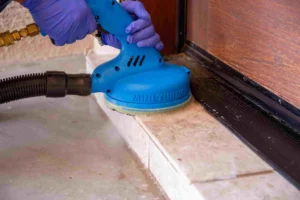
Importance of Routine Grout Maintenance
Preventive care helps reduce deep staining.
Frequent Cleaning Prevents Buildup
Routine maintenance removes dirt before it becomes permanent.
Early Care Protects Grout
Fresh stains are easier to remove.
Maintains Bright Appearance
Clean grout keeps ceramic tiles looking newer.
Reduces Long-Term Costs
Preventive maintenance avoids expensive restoration work.
Supports Better Hygiene
Clean surfaces reduce bacteria accumulation.
Consistent grout cleaning for ceramic tiles improves long-term results.
Signs Your Grout Needs Cleaning
Grout often shows visible signs of contamination.
Darkened Grout Lines
Discoloration is one of the first warning signs.
Mold Spots
Black or green stains indicate fungal growth.
Persistent Odors
Smells may signal trapped moisture or bacteria.
Stained Tile Edges
Dirty grout often affects surrounding ceramic tiles.
Sticky or Rough Texture
Buildup changes grout texture over time.
Recognizing these signs helps homeowners prioritize grout cleaning for ceramic tiles.
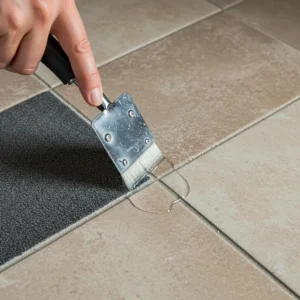
Why Ceramic Tile Grout Is Vulnerable
Grout differs significantly from ceramic tile surfaces.
Porous Structure
Grout absorbs contaminants more easily.
Moisture Retention
Water becomes trapped inside grout lines.
Dirt Accumulation
Tiny pores collect debris quickly.
Limited Surface Protection
Unsealed grout absorbs stains faster.
Constant Exposure
Bathrooms and kitchens experience frequent moisture.
These characteristics explain the importance of grout cleaning for ceramic tiles.
Grout Cleaning for Ceramic Tiles in Bathrooms
Bathrooms are among the most challenging environments for grout maintenance.
Shower Moisture
Constant water exposure encourages mold growth.
Soap Scum Buildup
Residue accumulates on grout surfaces rapidly.
Humidity Problems
Poor airflow slows drying.
Tile Floor Contamination
Bathroom floors trap moisture and dirt.
Water Stains
Mineral deposits may discolor grout lines.
Bathroom maintenance requires regular grout cleaning for ceramic tiles.
Grout Cleaning for Ceramic Tiles in Kitchens
Kitchen grout experiences unique types of contamination.
Grease Accumulation
Cooking oils settle into grout pores.
Food Spills
Liquids and particles stain grout quickly.
Heavy Foot Traffic
Kitchen floors collect constant dirt.
Water Exposure
Sink areas often remain damp.
Cleaning Product Residue
Improper cleaning leaves buildup behind.
Kitchen surfaces benefit greatly from proper grout cleaning for ceramic tiles.
Importance of Sealing Grout
Sealing adds protection against stains and moisture.
Reduces Absorption
Sealants help block liquid penetration.
Prevents Staining
Protected grout resists discoloration better.
Simplifies Cleaning
Sealed grout is easier to maintain.
Improves Durability
Moisture-resistant grout lasts longer.
Supports Hygiene
Sealed surfaces trap fewer contaminants.
Sealing complements regular grout cleaning for ceramic tiles.
Why Mold Develops in Tile Grout
Mold thrives in damp and dirty environments.
Persistent Moisture
Wet grout creates ideal fungal conditions.
Poor Ventilation
Humidity supports mold growth.
Soap and Dirt Buildup
Organic residue feeds mold spores.
Hidden Moisture
Leaks may trap water beneath tiles.
Delayed Cleaning
Neglected grout allows contamination to spread.
Preventing mold is a major goal of grout cleaning for ceramic tiles.
Grout Cleaning for Ceramic Tiles and Indoor Hygiene
Clean grout contributes to healthier homes.
Reduces Bacteria
Regular cleaning removes harmful buildup.
Prevents Mold Spread
Clean surfaces discourage fungal contamination.
Improves Air Quality
Moisture reduction lowers odor and mold risks.
Creates Cleaner Surfaces
Sanitized grout supports healthier living environments.
Reduces Allergens
Contaminants trapped in grout may affect indoor comfort.
Healthy homes benefit from consistent grout cleaning for ceramic tiles.
Importance of Proper Ventilation
Ventilation helps grout dry properly.
Reduces Humidity
Dry environments discourage mold growth.
Improves Drying Time
Airflow removes trapped moisture faster.
Supports Grout Longevity
Dry grout resists deterioration better.
Minimizes Odors
Ventilation reduces damp smells.
Protects Tile Installations
Lower moisture levels preserve surrounding materials.
Good airflow supports effective grout cleaning for ceramic tiles.
Grout Cleaning for Ceramic Tiles in High-Traffic Areas
Busy spaces require extra maintenance.
Entryways
Shoes bring dirt into grout lines.
Hallways
Frequent traffic increases contamination.
Family Kitchens
Heavy use creates constant buildup.
Commercial Spaces
Public environments require regular care.
Laundry Rooms
Moisture exposure accelerates staining.
High-use areas benefit from frequent grout cleaning for ceramic tiles.
Why Grout Becomes Discolored
Discoloration develops gradually over time.
Dirt Absorption
Porous grout traps particles easily.
Mold Growth
Fungal contamination darkens grout lines.
Hard Water Deposits
Minerals leave stains behind.
Soap Residue
Soap scum changes grout color.
Aging Materials
Older grout naturally loses brightness.
Understanding discoloration improves grout cleaning for ceramic tiles.
Importance of Prompt Spill Cleanup
Immediate action reduces staining risks.
Liquids Absorb Quickly
Porous grout traps spills rapidly.
Food Stains Spread
Kitchen spills discolor grout easily.
Moisture Encourages Mold
Wet grout supports fungal growth.
Easier Cleaning
Fresh spills are simpler to remove.
Prevents Permanent Damage
Prompt care preserves grout appearance.
Quick responses are important in grout cleaning for ceramic tiles.
Grout Cleaning for Ceramic Tiles and Moisture Prevention
Moisture control protects tile installations.
Dry Floors Frequently
Standing water weakens grout.
Repair Leaks Quickly
Hidden leaks damage grout over time.
Monitor Wet Areas
Bathrooms and kitchens require attention.
Use Proper Ventilation
Airflow reduces moisture accumulation.
Seal Vulnerable Areas
Waterproof protection improves durability.
Moisture prevention supports long-lasting grout cleaning for ceramic tiles.
Why Professional Grout Cleaning Matters
Professional services improve restoration results.
Deep Cleaning Equipment
Professionals remove deeply embedded dirt.
Safe Cleaning Techniques
Experts protect ceramic tile surfaces.
Mold Treatment
Professional care removes contamination effectively.
Grout Restoration
Damaged grout can often be repaired.
Better Long-Term Results
Professional maintenance extends tile lifespan.
Professional care strengthens grout cleaning for ceramic tiles.
Grout Cleaning for Ceramic Tiles and Mold Prevention
Mold prevention requires ongoing maintenance.
Dry Wet Areas
Reducing moisture slows fungal growth.
Improve Air Circulation
Ventilation helps keep grout dry.
Clean Frequently
Routine care prevents buildup.
Inspect Grout Regularly
Early mold detection reduces spreading.
Replace Damaged Grout
Cracked grout traps moisture more easily.
Mold prevention is essential for grout cleaning for ceramic tiles.
Why Dirty Grout Affects Appearance
Even clean tiles may look dirty because of stained grout.
Dull Floors
Dark grout reduces brightness.
Uneven Color
Stains create patchy appearances.
Worn-Looking Surfaces
Dirty grout makes tiles appear aged.
Reduced Shine
Contaminants affect tile reflection.
Unpleasant Visual Impression
Neglected grout impacts overall room appearance.
Appearance improvement is one of the main benefits of grout cleaning for ceramic tiles.
Grout Cleaning for Ceramic Tiles in Shower Areas
Showers create ideal conditions for grout contamination.
Constant Moisture Exposure
Daily water exposure weakens grout.
Soap and Shampoo Residue
Products leave buildup behind.
Limited Drying Time
Wet conditions persist for long periods.
Mold Development
Humidity supports fungal contamination.
Water Penetration
Damaged grout may allow hidden leaks.
Shower maintenance requires consistent grout cleaning for ceramic tiles.
Importance of Routine Inspections
Inspections help identify problems early.
Check for Cracks
Damaged grout allows moisture penetration.
Monitor Mold Growth
Early detection prevents spreading.
Watch for Loose Tiles
Weak grout affects tile stability.
Inspect Tile Edges
Water damage often begins near seams.
Identify Discoloration
Stains may indicate deeper contamination.
Routine monitoring supports effective grout cleaning for ceramic tiles.
Grout Cleaning for Ceramic Tiles and Tile Longevity
Maintained grout protects entire tile installations.
Stabilizes Tiles
Healthy grout supports structural integrity.
Prevents Water Damage
Proper maintenance blocks moisture penetration.
Reduces Repairs
Maintained grout lasts longer.
Protects Subfloors
Moisture control prevents structural damage.
Preserves Appearance
Clean grout keeps installations attractive.
Long-term tile preservation depends on proper grout cleaning for ceramic tiles.
Why Harsh Cleaning Products Can Damage Grout
Strong chemicals may weaken grout over time.
Surface Erosion
Harsh products wear grout away.
Color Damage
Aggressive cleaners discolor grout.
Reduced Durability
Damaged grout becomes more porous.
Increased Cracking
Chemical exposure weakens structure.
Moisture Vulnerability
Weakened grout absorbs more water.
Safe maintenance improves grout cleaning for ceramic tiles.
Grout Cleaning for Ceramic Tiles and Household Safety
Clean tiled surfaces support healthier environments.
Reduces Slippery Residue
Soap buildup creates slip hazards.
Limits Mold Exposure
Healthy grout improves air quality.
Prevents Structural Damage
Moisture control protects homes.
Supports Clean Living Spaces
Maintained floors improve cleanliness.
Reduces Bacteria Growth
Sanitized grout improves hygiene.
Household safety improves with regular grout cleaning for ceramic tiles.
Importance of Drying Ceramic Tile Surfaces
Dry conditions preserve grout quality.
Moisture Weakens Grout
Wet grout deteriorates faster.
Mold Growth Slows
Dry surfaces discourage contamination.
Better Hygiene
Dry environments reduce bacteria.
Prevents Water Stains
Mineral deposits form less frequently.
Supports Long-Term Durability
Dry grout remains stronger longer.
Drying routines strengthen grout cleaning for ceramic tiles.
Grout Cleaning for Ceramic Tiles in Commercial Spaces
Commercial tile surfaces experience additional stress.
Heavy Foot Traffic
Public spaces collect more dirt.
Frequent Moisture Exposure
Bathrooms and kitchens require constant care.
Higher Cleaning Demands
Busy environments need regular maintenance.
Appearance Expectations
Clean floors improve professional image.
Safety Concerns
Maintained grout reduces slip hazards.
Commercial environments rely heavily on grout cleaning for ceramic tiles.
Why Homeowners Choose Professional Tile Maintenance
Professional services provide stronger long-term results.
Expert Knowledge
Professionals understand grout behavior and restoration.
Proper Equipment
Advanced tools improve deep cleaning effectiveness.
Safe Product Selection
Experts protect ceramic tile finishes.
Improved Efficiency
Professional services save time and effort.
Better Restoration Outcomes
Deep cleaning restores grout appearance effectively.
Professional care enhances grout cleaning for ceramic tiles.
How Grout Deteriorates Over Time
Grout naturally weakens with age and use.
Moisture Penetration
Water slowly breaks down grout structure.
Dirt Accumulation
Contaminants wear surfaces down.
Cracking
Movement and stress damage grout lines.
Mold Growth
Fungal contamination weakens grout further.
Cleaning Product Exposure
Harsh chemicals accelerate deterioration.
Understanding deterioration improves grout cleaning for ceramic tiles.
Why KK Cleaning and Restoration Is Trusted
KK Cleaning and Restoration understands the importance of proper grout maintenance, moisture prevention, mold removal, tile care, and surface restoration. Professional grout cleaning services help restore ceramic tile appearance while protecting homes from long-term moisture damage and contamination.
Experienced maintenance improves cleanliness, hygiene, waterproofing, durability, and overall tile performance in residential and commercial spaces.
Final Thoughts on Grout Cleaning for Ceramic Tiles
Ceramic tile surfaces can remain beautiful and durable for many years when grout is maintained properly. Because grout is porous and vulnerable to moisture, dirt, grease, bacteria, and mold, regular maintenance is essential for preserving both appearance and structural integrity.
Understanding effective grout cleaning for ceramic tiles allows homeowners to maintain cleaner surfaces, improve indoor hygiene, prevent mold growth, reduce moisture damage, and extend the lifespan of tiled installations. Consistent inspections, proper ventilation, prompt spill cleanup, moisture control, sealing, and professional maintenance all contribute to healthier and more attractive spaces.
By following proper grout cleaning for ceramic tiles practices, homeowners can protect their investments, reduce repair costs, improve tile appearance, and maintain safe, clean, and long-lasting ceramic tile surfaces throughout their homes and businesses.
Contact us now:
 Call us now at +16479163093
 Email: info@kkcleaningandrestoration.ca
 Visit: https://kkcleaningandrestoration.ca/
Frequently Asked Questions About Grout Cleaning for Ceramic Tiles
1. What is grout cleaning for ceramic tiles?
Grout cleaning for ceramic tiles is the process of removing dirt, stains, mold, grease, and bacteria from grout lines between tiles. Grout is porous, so it absorbs moisture and contaminants more easily than ceramic tile surfaces. Regular cleaning helps maintain tile appearance and hygiene. Proper grout maintenance also prevents long-term damage caused by moisture buildup. Clean grout improves the overall look of tiled areas significantly.
2. Why is grout cleaning for ceramic tiles important?
Grout cleaning for ceramic tiles helps preserve cleanliness, appearance, and structural integrity. Dirty grout may trap bacteria, mold, and moisture that can damage tile installations over time. Clean grout also makes ceramic tiles appear brighter and newer. Proper maintenance prevents staining and unpleasant odors. Regular care extends the lifespan of tiled surfaces.
3. Why does grout become dirty so quickly?
Grout becomes dirty quickly because it is naturally porous and absorbs dirt, moisture, grease, and spills. High-traffic areas collect debris faster than less-used spaces. Bathrooms and kitchens are especially vulnerable because of humidity and water exposure. Soap residue and cleaning products may also build up over time. Regular cleaning helps prevent deep staining.
4. How often should grout cleaning for ceramic tiles be done?
Grout cleaning frequency depends on the location and amount of use the tiled area receives. Bathrooms, kitchens, and entryways usually require more frequent maintenance. Routine cleaning helps prevent deep stains and mold growth. Monthly inspections can help identify problem areas early. Consistent maintenance improves long-term tile appearance.
5. Can dirty grout affect indoor hygiene?
Yes, dirty grout may trap bacteria, mold, mildew, and allergens that affect indoor hygiene. Damp grout lines create environments where contaminants can grow and spread. Mold and mildew may also affect indoor air quality over time. Proper cleaning helps maintain healthier living conditions. Clean surfaces support better overall home cleanliness.
6. What causes grout discoloration?
Grout discoloration is caused by dirt absorption, moisture buildup, mold growth, grease, soap scum, and aging materials. High humidity and poor ventilation often worsen staining problems. Kitchen grout may darken because of cooking oils and food spills. Bathroom grout frequently becomes stained from soap and moisture exposure. Regular maintenance helps preserve grout color.
7. Why is mold common in tile grout?
Mold develops easily in grout because moisture becomes trapped inside porous surfaces. Bathrooms and kitchens often provide the humidity mold needs to grow. Poor ventilation and delayed cleaning increase contamination risks. Cracked grout may trap even more moisture over time. Regular maintenance helps prevent fungal growth.
8. How can I prevent mold in grout lines?
Preventing mold requires reducing moisture and maintaining clean surfaces. Drying tiled areas after use helps reduce damp conditions. Good ventilation also improves airflow and drying time. Regular cleaning removes soap residue and dirt that support mold growth. Promptly repairing damaged grout helps prevent hidden moisture buildup.
9. Can grout cleaning improve the appearance of ceramic tiles?
Yes, clean grout dramatically improves the appearance of ceramic tiles. Dirty grout often makes floors and walls appear older and duller. Bright grout lines create cleaner and fresher-looking tiled surfaces. Restored grout also enhances the natural color of ceramic tiles. Many homeowners notice immediate visual improvement after cleaning.
10. Why is grout porous?
Grout is porous because of its cement-based composition, which naturally contains tiny openings that absorb moisture and debris. These pores help grout bond with tile installations during application. However, porosity also makes grout vulnerable to stains and contamination. Sealing helps reduce absorption over time. Proper maintenance preserves grout durability.
11. What areas require the most grout cleaning?
Bathrooms, kitchens, showers, laundry rooms, entryways, and high-traffic floors typically require the most grout cleaning. These areas experience frequent moisture exposure and heavy use. Shower grout is especially vulnerable to mold and soap scum. Kitchen grout often absorbs grease and food residue. Regular inspections help identify areas needing extra attention.
12. Why is grout sealing important?
Grout sealing helps protect grout from moisture, stains, dirt, and bacteria absorption. Sealed grout is easier to clean and maintain than unsealed grout. Sealants also improve resistance to mold and mildew growth. Waterproof protection helps extend grout lifespan significantly. Regular sealing supports long-term tile durability.
13. Can damaged grout cause tile problems?
Yes, damaged grout may allow moisture to penetrate beneath ceramic tiles. Water intrusion can weaken adhesives and damage subfloors over time. Cracked grout may also cause tiles to loosen or shift. Prompt repairs help maintain structural stability. Healthy grout supports long-lasting tile installations.
14. Why do bathrooms require frequent grout cleaning?
Bathrooms experience constant humidity, steam, soap residue, and water exposure. These conditions encourage mold, mildew, and bacteria growth inside grout lines. Shower areas are especially vulnerable because they remain wet for long periods. Poor ventilation may worsen moisture buildup. Frequent maintenance helps preserve bathroom hygiene.
15. How does kitchen grout become stained?
Kitchen grout absorbs grease, food spills, cooking oils, dirt, and moisture from daily activities. High foot traffic also increases contamination levels. Liquids may quickly soak into porous grout if not cleaned promptly. Cooking residue often creates dark discoloration over time. Routine maintenance helps reduce staining.
16. Can professional grout cleaning restore old grout?
Yes, professional grout cleaning often restores grout that appears heavily stained or discolored. Specialized equipment removes deeply embedded dirt and bacteria more effectively than basic cleaning methods. Professional services may also include sealing and grout restoration. Restored grout improves tile appearance significantly. Deep cleaning can extend grout lifespan.
17. Why is ventilation important for grout maintenance?
Ventilation helps reduce humidity and allows tiled surfaces to dry faster. Dry conditions discourage mold and mildew growth in grout lines. Proper airflow also reduces moisture damage and unpleasant odors. Bathrooms and kitchens benefit greatly from good ventilation systems. Healthy airflow supports long-lasting grout durability.
18. What are signs that grout needs cleaning?
Common signs include darkened grout lines, mold spots, odors, staining, discoloration, and rough texture. Dirty grout often makes ceramic tiles look dull or aged. Persistent damp smells may indicate trapped moisture or mold growth. Cracked grout may also signal maintenance needs. Early cleaning prevents larger problems.
19. Can moisture damage grout over time?
Yes, moisture gradually weakens grout by causing deterioration, cracking, and mold growth. Persistent water exposure increases porosity and reduces durability. Damaged grout absorbs contaminants more easily over time. Moisture may also affect surrounding tile structures. Proper maintenance helps preserve waterproof protection.
20. Why should spills be cleaned quickly from tile grout?
Spills absorb quickly into porous grout and may create permanent stains if ignored. Food, grease, and liquids can discolor grout rapidly. Moisture also increases the risk of mold growth and bacteria buildup. Prompt cleaning prevents deeper contamination. Fast action helps preserve grout appearance.
21. Can grout cleaning improve indoor air quality?
Yes, removing mold, mildew, and bacteria from grout may improve indoor air quality. Damp and contaminated grout can contribute to unpleasant odors and airborne irritants. Proper cleaning reduces fungal contamination in bathrooms and kitchens. Cleaner surfaces support healthier indoor environments. Good maintenance improves overall home comfort.
22. Why do high-traffic areas need more grout maintenance?
High-traffic areas collect dirt, debris, moisture, and contaminants more quickly than low-use spaces. Shoes track particles into grout lines throughout the day. Entryways, hallways, and kitchens experience especially heavy wear. Frequent maintenance prevents permanent staining and deterioration. Regular cleaning preserves grout appearance.
23. Can harsh chemicals damage grout?
Yes, harsh cleaning chemicals may erode grout surfaces and weaken their structure over time. Strong acidic products can also discolor grout or increase porosity. Damaged grout absorbs stains and moisture more easily afterward. Gentle cleaners are safer for long-term maintenance. Proper cleaning methods preserve durability.
24. Why does grout crack?
Grout cracks because of structural movement, moisture damage, aging, improper installation, or temperature fluctuations. Cracks weaken waterproof protection and allow moisture penetration. Damaged grout may eventually affect surrounding tiles as well. Prompt repairs help prevent larger structural issues. Healthy grout supports tile stability.
25. How can homeowners maintain grout between professional cleanings?
Homeowners can maintain grout by cleaning regularly, drying wet surfaces, improving ventilation, and addressing spills quickly. Monthly inspections help identify cracks or mold growth early. Using gentle cleaning methods protects grout durability. Sealing grout also improves stain resistance. Consistent maintenance extends grout lifespan.
26. Why does grout absorb odors?
Porous grout traps moisture, bacteria, mold, and organic residue that may create unpleasant smells over time. Damp conditions worsen odor problems significantly. Hidden leaks may also contribute to persistent odors beneath tiled surfaces. Regular cleaning helps remove odor-causing contaminants. Dry conditions improve freshness.
27. Can grout cleaning reduce mold growth?
Yes, routine grout cleaning removes dirt, moisture, and residue that support mold growth. Clean grout dries faster and becomes less hospitable to fungal contamination. Proper ventilation and moisture control also reduce mold risks. Promptly replacing damaged grout further improves protection. Healthy grout supports healthier homes.
28. Why is shower grout especially vulnerable?
Shower grout experiences constant water exposure, humidity, soap buildup, and limited drying time. These conditions encourage mold, mildew, and bacteria growth. Damaged grout may also allow hidden leaks behind walls or beneath floors. Regular cleaning and sealing are essential in shower areas. Consistent maintenance improves durability.
29. Can grout cleaning help prevent tile replacement?
Yes, proper grout maintenance protects tile installations from moisture damage and deterioration. Healthy grout stabilizes tiles and prevents structural weakening over time. Preventive care reduces the likelihood of loose or damaged tiles. Regular maintenance extends the lifespan of ceramic tile surfaces. Early repairs help avoid costly replacements.
30. Why do homeowners choose professional grout cleaning services?
Professional services provide deeper cleaning, better restoration, and improved stain removal compared to basic household maintenance. Experts use specialized tools and safe cleaning techniques for ceramic tiles. Professional maintenance also includes grout sealing and mold treatment when necessary. Skilled cleaning improves long-term durability significantly. Many homeowners prefer professional results for heavily stained grout.
31. How does humidity affect grout?
Humidity slows drying and keeps grout damp for longer periods. Persistent moisture encourages mold growth and weakens grout durability over time. Humid environments may also increase staining and odor problems. Proper airflow helps reduce these risks significantly. Moisture control improves grout longevity.
32. Can grout cleaning improve household safety?
Yes, clean grout reduces slippery residue, mold growth, and bacteria accumulation in tiled areas. Proper maintenance also prevents hidden moisture damage that may weaken floors or walls. Clean surfaces improve sanitation and indoor comfort. Safe environments support healthier living conditions. Routine maintenance reduces long-term risks.
33. Why is drying tile surfaces important after cleaning?
Drying surfaces removes excess moisture that may weaken grout or encourage mold growth. Standing water often leaves mineral stains and residue behind. Dry grout remains more durable and hygienic over time. Quick drying also improves indoor air quality. Consistent moisture control supports healthy tile installations.
34. Can old grout be restored?
Yes, many older grout installations can be restored through deep cleaning, sealing, and repair services. Professional restoration removes embedded dirt and discoloration effectively. Damaged grout may also be repaired or partially replaced if necessary. Restored grout improves appearance and functionality. Proper maintenance extends restored grout lifespan.
35. Why is grout maintenance important in commercial spaces?
Commercial spaces experience heavy foot traffic, frequent cleaning, and constant moisture exposure. Dirty grout may affect appearance, hygiene, and customer impressions negatively. Routine maintenance improves safety and cleanliness in public environments. Healthy grout also protects tile durability over time. Professional care is often necessary in busy spaces.
36. Can grout cleaning help reduce allergens?
Yes, grout cleaning removes dust, mold spores, bacteria, and contaminants that may contribute to allergens indoors. Damp grout often traps particles that affect sensitive individuals. Clean surfaces improve indoor hygiene significantly. Regular maintenance supports healthier living environments. Reduced contamination improves overall comfort.
37. Why do ceramic tiles still look dirty even after cleaning?
Ceramic tiles may appear dirty if grout lines remain stained or discolored. Even clean tile surfaces lose visual appeal when grout is contaminated. Deep grout cleaning restores contrast and brightness between tiles. Mold and soap buildup may also affect overall appearance. Proper grout maintenance improves visual cleanliness.
38. What causes grout deterioration over time?
Grout deteriorates because of moisture exposure, dirt buildup, cleaning chemicals, mold growth, and structural movement. Aging grout naturally becomes weaker and more porous over time. Cracks and erosion increase vulnerability to contamination. Delayed maintenance accelerates deterioration significantly. Regular care helps preserve grout strength.
39. Why should grout inspections be done regularly?
Routine inspections help identify cracks, mold, discoloration, loose tiles, and moisture damage early. Early detection allows prompt repairs before larger issues develop. Regular monitoring also improves long-term grout durability and appearance. Preventive care reduces restoration costs significantly. Healthy grout supports stable tile installations.
40. Why do homeowners trust KK Cleaning and Restoration for grout cleaning for ceramic tiles?
Homeowners trust KK Cleaning and Restoration for professional tile maintenance, grout restoration, mold prevention, moisture control, and surface cleaning services. Experienced care helps restore ceramic tile appearance while protecting grout durability. Professional maintenance improves hygiene, waterproofing, and indoor cleanliness. Quality workmanship supports long-lasting tile installations. Proper grout cleaning helps homeowners avoid costly future repairs.
Contact us now:
Call us now at +16479163093
Email: info@kkcleaningandrestoration.ca
Visit: https://kkcleaningandrestoration.ca/