Kitchen Sink Caulking Tips: Complete Guide by KK Cleaning and Restoration
Introduction: Kitchen Sink Caulking Tips
Kitchen Sink Caulking Tips: The kitchen sink is one of the most frequently used areas in any home. From washing dishes and preparing meals to cleaning vegetables and handling daily household tasks, the sink area experiences constant exposure to water, moisture, soap, grease, and cleaning products. Because of this continuous use, proper sealing around the sink becomes essential for maintaining a clean, safe, and damage-free kitchen. Understanding effective kitchen sink caulking tips can help homeowners protect countertops, cabinets, walls, and plumbing fixtures from moisture-related problems.
Caulking acts as a waterproof barrier between the sink and surrounding surfaces. It seals gaps where water could otherwise seep beneath countertops or behind backsplashes. Without proper sealing, even small leaks may lead to mold growth, wood rot, cabinet damage, unpleasant odors, bacteria buildup, and structural deterioration. Over time, neglected caulking can create expensive repair problems that could have been prevented with regular maintenance and proper installation.
Learning kitchen sink caulking tips is important not only for appearance but also for long-term kitchen protection. Properly maintained caulking improves hygiene, enhances waterproofing, supports easier cleaning, prevents pests, and extends the lifespan of kitchen surfaces. Whether the sink is made of stainless steel, granite composite, porcelain, or another material, quality caulking plays a major role in preserving kitchen durability.
At KK Cleaning and Restoration, proper sink sealing, moisture prevention, waterproofing, mold control, and kitchen maintenance are essential parts of maintaining healthy and attractive homes. Following professional kitchen sink caulking tips helps homeowners avoid water damage while improving the overall functionality and appearance of their kitchens.
Understanding Kitchen Sink Caulking
Kitchen sink caulking refers to the waterproof sealant applied around sink edges, backsplashes, countertops, and fixtures.
Why Kitchen Sink Caulking Matters
Kitchen sinks experience repeated water exposure every day. Proper sealing helps prevent moisture from penetrating vulnerable areas.
Common Areas That Require Caulking
- Around sink edges
- Behind backsplashes
- Around faucets
- Countertop seams
- Sink corners
- Wall transitions
Purpose of Kitchen Sink Caulking
The primary purpose is to block water intrusion while maintaining a clean and finished appearance.
Understanding these basics is essential when learning kitchen sink caulking tips.
Why Kitchen Sink Caulking Fails
Even high-quality sealants eventually deteriorate because of environmental stress.
Constant Water Exposure
Frequent splashing weakens sealants over time.
Cleaning Chemicals
Strong products gradually damage caulking materials.
Temperature Changes
Hot and cold water create expansion and contraction stress.
Sink Movement
Daily use may shift sink components slightly.
Poor Installation
Improper preparation often causes early failure.
Recognizing these causes helps homeowners apply kitchen sink caulking tips more effectively.
Importance of Proper Sink Waterproofing
Waterproofing protects the kitchen from hidden moisture damage.
Prevents Cabinet Damage
Water leaks beneath sinks may weaken cabinets.
Reduces Mold Risks
Dry conditions discourage fungal growth.
Protects Countertops
Moisture can damage countertop materials over time.
Improves Hygiene
Sealed joints reduce bacteria buildup.
Supports Structural Integrity
Moisture prevention protects surrounding surfaces.
Proper waterproofing is one of the most valuable kitchen sink caulking tips homeowners can follow.
Kitchen Sink Caulking Tips for Preventing Leaks
Leak prevention is one of the primary goals of proper sink maintenance.
Inspect Sink Edges Regularly
Small cracks often become larger leaks.
Watch for Water Pooling
Standing water weakens sealants quickly.
Check Faucet Bases
Leaks often begin around fixtures.
Repair Damage Promptly
Delaying repairs increases moisture risks.
Replace Aging Caulking
Old sealants eventually lose flexibility.
Following these kitchen sink caulking tips helps reduce expensive repair problems.
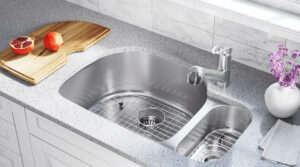
Best Types of Caulking for Kitchen Sinks
Choosing the correct sealant improves durability.
Silicone Caulking
Silicone is highly water-resistant and flexible.
Mold-Resistant Sealants
These products reduce fungal growth in wet areas.
Kitchen-Safe Waterproof Caulking
Specialized products provide stronger moisture protection.
Flexible Sealants
Movement-resistant products reduce cracking risks.
Long-Lasting Professional Materials
Higher-quality products improve durability.
Selecting proper materials is one of the most important kitchen sink caulking tips.
Importance of Surface Preparation
Preparation strongly affects caulking performance.
Remove Old Caulking Completely
New caulk adheres poorly over damaged materials.
Clean Dirt and Grease
Kitchen residue weakens adhesion.
Dry Surfaces Thoroughly
Moisture prevents proper bonding.
Remove Mold Before Sealing
Trapped mold spreads beneath new sealants.
Smooth the Area
Even surfaces improve appearance and durability.
Proper preparation is essential for successful kitchen sink caulking tips.
Kitchen Sink Caulking Tips for Granite Countertops
Granite countertops require special care.
Protect Natural Stone
Use products compatible with stone surfaces.
Avoid Harsh Chemicals
Aggressive cleaners may damage granite finishes.
Seal Sink Edges Carefully
Water penetration may stain surrounding areas.
Monitor Caulking Frequently
Stone countertops are expensive to repair.
Keep Seams Dry
Reducing moisture helps preserve countertop integrity.
Granite surfaces benefit greatly from proper kitchen sink caulking tips.
Why Mold Develops Around Kitchen Sinks
Kitchen environments create ideal conditions for moisture buildup.
Frequent Water Exposure
Daily sink use leaves surfaces damp.
Food Residue
Organic material supports mold growth.
Poor Ventilation
Limited airflow traps moisture.
Hidden Leaks
Water beneath sinks often remains unnoticed.
Damaged Caulking
Cracks and gaps allow moisture penetration.
Preventing mold is one of the key goals of kitchen sink caulking tips.
Kitchen Sink Caulking Tips for Mold Prevention
Maintaining dry conditions reduces fungal contamination.
Clean Caulking Regularly
Soap, grease, and residue encourage mold.
Dry Sink Areas Daily
Removing moisture helps preserve sealants.
Improve Airflow
Ventilation reduces humidity buildup.
Replace Moldy Caulking Promptly
Deep contamination spreads quickly.
Use Mold-Resistant Products
Specialized materials improve hygiene.
These kitchen sink caulking tips help create healthier kitchen environments.
Importance of Regular Caulking Inspections
Routine inspections prevent hidden problems.
Look for Cracks
Small cracks weaken waterproof protection.
Watch for Shrinking
Separated edges allow leaks.
Check for Discoloration
Dark stains may indicate mold growth.
Monitor Countertop Seams
Seams often trap moisture.
Inspect Under the Sink
Hidden leaks may damage cabinets.
Inspection routines are among the most effective kitchen sink caulking tips.
How Moisture Damages Kitchen Cabinets
Water leaks often affect cabinetry first.
Wood Swelling
Moisture causes cabinets to expand.
Rot Development
Persistent leaks weaken structural materials.
Mold Growth
Damp cabinets support fungal contamination.
Surface Peeling
Water damages cabinet finishes over time.
Odor Problems
Trapped moisture creates unpleasant smells.
Protecting cabinets is a major reason homeowners follow kitchen sink caulking tips.
Kitchen Sink Caulking Tips for Stainless Steel Sinks
Stainless steel sinks are common in many homes.
Dry Sink Edges Frequently
Standing water accelerates deterioration.
Avoid Abrasive Scrubbing
Harsh tools may damage surrounding caulking.
Monitor Sink Movement
Heavy use may stress sealants.
Clean Gently
Mild cleaners preserve both steel and caulking.
Replace Cracked Seals Quickly
Prompt repairs prevent hidden leaks.
Stainless steel installations benefit from consistent kitchen sink caulking tips.
Why Flexible Caulking Is Important
Kitchen materials naturally expand and contract.
Temperature Changes Affect Materials
Hot water causes slight movement.
Prevents Cracking
Flexible sealants absorb stress better.
Supports Waterproof Protection
Movement-resistant seals reduce leaks.
Extends Seal Lifespan
Flexible products handle daily wear more effectively.
Improves Durability
Strong seals preserve kitchen structures.
Flexibility remains one of the most important considerations in kitchen sink caulking tips.
Kitchen Sink Caulking Tips for Backsplashes
Backsplashes require proper sealing to prevent wall damage.
Seal Wall Transitions
Water may seep behind backsplashes.
Monitor Corners Carefully
Moisture often accumulates in edges.
Clean Frequently
Grease buildup weakens seals over time.
Dry Surfaces Regularly
Dry conditions preserve waterproof systems.
Replace Deteriorated Caulking
Old sealants eventually fail.
Backsplash protection is an important part of kitchen sink caulking tips.
Common Kitchen Sink Caulking Mistakes
Avoiding mistakes improves long-term durability.
Applying Caulk Over Old Material
Poor adhesion reduces lifespan.
Skipping Surface Cleaning
Residue weakens waterproof bonds.
Using Incorrect Products
Not all sealants are kitchen-safe.
Ignoring Small Cracks
Minor issues often worsen rapidly.
Using Excessive Water During Cleaning
Too much moisture may damage aging seals.
Understanding these mistakes improves kitchen sink caulking tips significantly.
Why Professional Caulking Services Matter
Professional installation improves waterproof protection.
Better Product Selection
Experts choose materials based on sink type and environment.
Proper Surface Preparation
Professional cleaning improves adhesion.
Smooth Application
Skilled techniques improve appearance and durability.
Stronger Waterproofing
Proper installation reduces leak risks.
Long-Term Protection
Professional work often lasts longer.
Professional services complement routine kitchen sink caulking tips.
Kitchen Sink Caulking Tips for Busy Families
High-use kitchens require extra maintenance.
Increase Inspection Frequency
Busy kitchens wear faster.
Clean Moisture Daily
Frequent use leaves surfaces wet longer.
Prevent Food Buildup
Residue encourages mold and bacteria growth.
Maintain Ventilation
Airflow reduces moisture accumulation.
Schedule Regular Maintenance
Routine upkeep improves durability.
Families benefit greatly from consistent kitchen sink caulking tips.
Why Sink Caulking Improves Hygiene
Clean caulking supports healthier kitchens.
Reduces Bacteria Buildup
Sealed gaps trap less debris.
Prevents Moisture Accumulation
Dry conditions improve cleanliness.
Supports Easier Cleaning
Smooth surfaces are easier to sanitize.
Limits Mold Growth
Proper sealing reduces fungal contamination.
Improves Kitchen Safety
Healthy environments support better indoor conditions.
Hygiene improvement is one of the major advantages of following kitchen sink caulking tips.
Kitchen Sink Caulking Tips for Preventing Countertop Damage
Countertops are vulnerable to water penetration.
Seal Sink Edges Carefully
Leaks may damage surrounding surfaces.
Dry Countertops Frequently
Standing water weakens materials.
Monitor Seams
Countertop joints often trap moisture.
Repair Damage Promptly
Early repairs reduce replacement risks.
Use Waterproof Products
Strong sealants preserve countertop integrity.
Countertop preservation is a major focus of kitchen sink caulking tips.
How Kitchen Humidity Affects Caulking
Humidity accelerates seal deterioration.
Damp Conditions Weaken Adhesion
Persistent moisture affects bonding.
Mold Grows Faster
Humidity supports fungal contamination.
Slower Drying Times
Wet surfaces remain vulnerable longer.
Increased Expansion and Contraction
Temperature fluctuations stress sealants.
Reduced Lifespan
Excess moisture shortens durability.
Humidity control remains one of the most valuable kitchen sink caulking tips.
Kitchen Sink Caulking Tips for Long-Term Maintenance
Long-term protection requires consistency.
Inspect Monthly
Routine checks identify early damage.
Replace Aging Sealants
Old caulking eventually weakens.
Keep Surfaces Dry
Moisture reduction preserves waterproof systems.
Use Proper Cleaning Products
Gentle cleaners extend seal lifespan.
Schedule Professional Maintenance
Experts help identify hidden problems.
Long-term care is essential for successful kitchen sink caulking tips.
Importance of Prompt Repairs
Small problems often become major repairs if ignored.
Minor Cracks Grow Quickly
Water pressure worsens damage over time.
Hidden Leaks Spread
Moisture may damage unseen areas.
Mold Develops Rapidly
Damp environments encourage contamination.
Structural Damage Increases
Persistent moisture weakens surrounding materials.
Repair Costs Rise
Delays often lead to expensive restoration work.
Prompt action is one of the smartest kitchen sink caulking tips homeowners can follow.
Kitchen Sink Caulking Tips for Older Kitchens
Older kitchens often require additional care.
Inspect Frequently
Aging materials deteriorate faster.
Watch for Cabinet Damage
Older wood is vulnerable to moisture.
Replace Worn Sealants
Old caulking loses flexibility and adhesion.
Improve Ventilation
Older kitchens may trap humidity more easily.
Address Hidden Leaks Quickly
Older plumbing systems often develop moisture issues.
Older homes benefit significantly from professional kitchen sink caulking tips.
Why Homeowners Trust KK Cleaning and Restoration
KK Cleaning and Restoration understands the importance of waterproofing, moisture control, mold prevention, leak repair, and proper kitchen maintenance. Professional sink caulking services help protect countertops, cabinets, backsplashes, fixtures, and surrounding surfaces from water damage and deterioration.
Experienced maintenance and restoration services improve kitchen durability, cleanliness, appearance, and hygiene while helping homeowners avoid expensive moisture-related repairs.
Final Thoughts on Kitchen Sink Caulking Tips
Kitchen sink caulking plays a critical role in protecting kitchens from moisture damage, mold growth, leaks, cabinet deterioration, and structural problems. Because sinks experience constant water exposure and daily use, maintaining strong waterproof seals is essential for preserving long-term kitchen durability.
Learning effective kitchen sink caulking tips allows homeowners to identify early warning signs, maintain cleaner kitchens, improve hygiene, prevent water intrusion, and extend the lifespan of surrounding materials. Regular inspections, moisture control, proper cleaning, quality products, and prompt repairs all contribute to healthier and more attractive kitchen environments.
By following professional kitchen sink caulking tips, homeowners can protect their investments, reduce maintenance costs, improve waterproofing systems, and maintain safe, functional, and visually appealing kitchens for years to come.
Contact us now:
 Call us now at +16479163093
 Email: info@kkcleaningandrestoration.ca
 Visit: https://kkcleaningandrestoration.ca/
Frequently Asked Questions About Kitchen Sink Caulking Tips
1. What is kitchen sink caulking?
Kitchen sink caulking is a waterproof sealant applied around the edges of sinks, countertops, backsplashes, and fixtures. It helps prevent water from leaking into cabinets, walls, and surrounding surfaces. Proper caulking also improves kitchen hygiene and appearance. Flexible sealants handle daily movement and moisture exposure effectively. Regular maintenance helps preserve waterproof protection.
2. Why is kitchen sink caulking important?
Kitchen sink caulking protects kitchens from water damage, mold growth, and structural deterioration. Without proper sealing, moisture can seep beneath countertops and into cabinets. Hidden leaks may cause wood rot, swelling, and unpleasant odors over time. Caulking also creates cleaner and more polished finishes. Strong waterproof seals improve long-term kitchen durability.
3. What are the most important kitchen sink caulking tips?
The most important kitchen sink caulking tips include regular inspections, moisture control, proper cleaning, and prompt repairs. Homeowners should watch for cracks, peeling, mold, or shrinking around sink edges. Keeping surfaces dry helps preserve caulking durability. Gentle cleaning products prevent unnecessary deterioration. Routine maintenance reduces leak risks significantly.
4. How often should kitchen sink caulking be inspected?
Kitchen sink caulking should ideally be inspected at least once a month. Busy kitchens with frequent sink use may require more frequent checks. Early inspections help identify small cracks or leaks before serious damage develops. Regular monitoring supports long-term waterproof protection. Preventive care helps avoid costly repairs.
5. Why does kitchen sink caulking crack?
Kitchen sink caulking cracks because of constant water exposure, temperature fluctuations, cleaning chemicals, and daily wear. Expansion and contraction place stress on sealants over time. Poor installation or low-quality materials may also contribute to deterioration. Cracked caulking weakens waterproof protection around the sink. Prompt repairs help prevent moisture damage.
6. Can damaged caulking cause water leaks?
Yes, damaged caulking allows water to seep beneath sinks and countertops. Hidden moisture may damage cabinets, walls, and flooring over time. Small leaks often lead to mold growth and structural deterioration if ignored. Promptly replacing cracked sealants restores waterproof protection. Early maintenance helps avoid expensive restoration work.
7. What type of caulking is best for kitchen sinks?
Silicone caulking is commonly considered one of the best options for kitchen sinks because of its flexibility and water resistance. Mold-resistant silicone products provide additional protection in damp environments. Professional-grade sealants typically last longer and resist cracking better. Flexible materials handle temperature changes effectively. Choosing the right product improves durability significantly.
8. Why does mold grow around kitchen sink caulking?
Mold develops because of trapped moisture, food residue, poor ventilation, and aging sealants. Damp conditions around sinks create ideal environments for fungal growth. Cracked or peeling caulking allows water to collect beneath surfaces. Regular cleaning and drying help reduce contamination. Mold-resistant products provide extra protection.
9. How can I prevent mold around kitchen sink caulking?
Preventing mold requires controlling moisture and maintaining clean surfaces. Drying sink areas after use helps reduce damp conditions. Regular cleaning removes grease, soap, and food residue that support mold growth. Good ventilation also improves drying and airflow. Prompt repairs help prevent hidden moisture buildup.
10. Why is surface preparation important before caulking?
Proper preparation improves caulking adhesion and durability significantly. Old sealants, grease, moisture, and dirt must be removed before applying new caulk. Poor preparation often causes peeling and early failure. Clean and dry surfaces create stronger waterproof bonds. Proper preparation supports long-lasting results.
11. Should old caulking be removed before applying new caulking?
Yes, old caulking should always be removed before new sealant is applied. Damaged material weakens adhesion and traps mold or debris beneath fresh caulk. Removing old sealants allows proper bonding to clean surfaces. Smooth preparation improves waterproof protection and appearance. Proper replacement extends seal lifespan.
12. How long does kitchen sink caulking usually last?
Kitchen sink caulking lifespan depends on product quality, sink usage, cleaning habits, and moisture exposure. High-quality silicone sealants may last several years with proper maintenance. Busy kitchens often experience faster deterioration because of constant water exposure. Regular inspections help identify wear early. Prompt repairs improve long-term durability.
13. What are signs that kitchen sink caulking needs replacement?
Common signs include cracking, peeling, shrinking, discoloration, mold growth, and water leaks. Gaps between the sink and countertop often indicate failing seals. Persistent moisture or unpleasant odors beneath sinks may also signal hidden leaks. Aging caulking loses flexibility over time. Early replacement helps prevent larger problems.
14. Why is silicone caulking popular for kitchen sinks?
Silicone caulking resists water, temperature changes, and movement effectively. It remains flexible in environments with constant moisture exposure. Silicone also provides strong adhesion and smooth finishes. Many products contain mold-resistant additives for extra protection. Its durability makes it ideal for kitchen sink applications.
15. Can kitchen sink caulking help prevent cabinet damage?
Yes, proper caulking prevents water from leaking into cabinets beneath sinks. Moisture intrusion may cause swelling, wood rot, and structural weakening over time. Waterproof seals help preserve cabinet integrity and appearance. Preventive maintenance reduces costly cabinet repairs significantly. Healthy waterproof systems protect surrounding kitchen materials.
16. Why should kitchen sink areas be kept dry?
Keeping sink areas dry reduces moisture buildup that weakens caulking and encourages mold growth. Standing water accelerates seal deterioration over time. Dry surfaces improve hygiene and reduce bacterial contamination. Proper moisture control also supports longer-lasting waterproof protection. Simple drying habits improve kitchen maintenance significantly.
17. Can harsh cleaning products damage kitchen sink caulking?
Yes, strong chemicals and abrasive cleaners may weaken or discolor caulking materials. Harsh products reduce flexibility and shorten seal lifespan over time. Gentle cleaners are safer for maintaining waterproof performance. Soft cloths and non-abrasive tools help preserve seal integrity. Proper cleaning methods improve durability.
18. Why is flexibility important in kitchen sink caulking?
Kitchen materials naturally expand and contract because of temperature changes and daily use. Flexible caulking absorbs this movement without cracking or separating. Rigid sealants are more likely to fail under stress. Flexible products maintain stronger waterproof protection over time. Proper flexibility improves long-term durability.
19. How can homeowners improve kitchen ventilation?
Homeowners can improve ventilation by using exhaust fans, opening windows, and increasing airflow around moisture-prone areas. Better ventilation helps surfaces dry faster after sink use. Reduced humidity lowers mold and mildew risks significantly. Dry conditions also preserve caulking lifespan. Proper airflow supports healthier kitchen environments.
20. Why is backsplash caulking important?
Backsplash caulking prevents water and food residue from penetrating behind walls and countertops. Moisture behind backsplashes may cause mold growth and wall damage over time. Proper sealing also improves cleanliness and appearance. Waterproof transitions help maintain kitchen durability. Routine maintenance preserves protection effectively.
21. Can kitchen sink caulking improve hygiene?
Yes, smooth and sealed joints reduce moisture buildup, food debris, and bacteria accumulation around sinks. Clean caulking is easier to sanitize and maintain. Proper waterproofing also reduces mold growth and unpleasant odors. Healthier kitchen conditions improve overall cleanliness. Regular maintenance supports better hygiene.
22. Why do kitchen sink leaks become expensive?
Small leaks often remain hidden beneath sinks and countertops for long periods. Moisture may damage cabinets, drywall, flooring, insulation, and structural materials over time. Mold growth can also spread in damp environments. Delayed repairs usually increase restoration costs significantly. Early maintenance helps prevent widespread damage.
23. What causes kitchen sink caulking to peel?
Caulking peels because of poor adhesion, moisture exposure, dirty surfaces, or aging materials. Structural movement and improper product selection may also contribute to separation. Peeling creates gaps that allow water penetration. Prompt repairs help restore waterproof protection quickly. Proper installation reduces peeling risks significantly.
24. Can professional caulking services improve durability?
Yes, professional installation improves adhesion, appearance, and long-term waterproof performance. Experts properly prepare surfaces and select suitable materials for each kitchen environment. Professional application creates smoother and stronger seals. Skilled installation reduces the likelihood of leaks and premature failure. High-quality workmanship improves durability significantly.
25. Why should kitchen sink caulking be inspected regularly?
Routine inspections help identify small cracks, gaps, and mold growth before larger problems develop. Early detection prevents hidden leaks and moisture damage. Regular maintenance also improves kitchen hygiene and appearance. Preventive care extends seal lifespan significantly. Consistent monitoring reduces costly repair risks.
26. Can kitchen sink caulking help prevent pests?
Yes, properly sealed gaps reduce openings where insects and pests may enter. Moisture and food residue often attract pests beneath sinks and countertops. Waterproof sealing helps maintain cleaner and drier conditions. Reduced access points improve kitchen sanitation. Proper maintenance supports healthier indoor environments.
27. Why is mold dangerous in kitchens?
Mold may negatively affect indoor air quality and create unhealthy living conditions. Damp environments also damage cabinets, walls, and surrounding structures over time. Persistent mold often indicates hidden moisture problems. Prompt maintenance helps reduce contamination risks significantly. Healthy kitchens support safer homes overall.
28. How can homeowners maintain kitchen sink caulking between professional services?
Homeowners can maintain caulking by cleaning regularly, drying wet surfaces, and inspecting for damage monthly. Promptly repairing small cracks helps prevent larger issues. Gentle cleaners preserve flexibility and waterproof performance. Good ventilation also supports seal longevity. Consistent maintenance extends caulking lifespan significantly.
29. Why is countertop protection important around sinks?
Countertops are constantly exposed to water, soap, grease, and food residue around sink areas. Moisture penetration may stain, weaken, or damage countertop materials over time. Proper caulking protects seams and vulnerable edges effectively. Preventive sealing supports long-term countertop durability. Healthy waterproof systems reduce replacement costs.
30. What areas around the kitchen sink require caulking?
Common areas include sink edges, countertop seams, backsplashes, faucet bases, corners, and wall transitions. These locations are vulnerable to water penetration and moisture buildup. Proper sealing protects surrounding structures from leaks and mold growth. Routine maintenance preserves waterproof protection. Inspections help identify aging sealants early.
31. Why do older kitchens require extra caulking maintenance?
Older kitchens often contain aging materials and plumbing systems more vulnerable to moisture damage. Sealants may lose flexibility and adhesion over time. Cabinets and countertops in older kitchens may also deteriorate faster if leaks occur. Frequent inspections help prevent hidden problems. Proper maintenance extends kitchen lifespan significantly.
32. Can kitchen sink caulking affect indoor air quality?
Yes, damaged or moldy caulking may contribute to poor indoor air quality by supporting fungal growth and damp conditions. Hidden moisture problems often create unpleasant odors as well. Proper waterproofing helps maintain cleaner and healthier kitchens. Good ventilation also improves air circulation. Healthy kitchens support healthier homes overall.
33. Why should homeowners repair small cracks immediately?
Small cracks allow water to penetrate behind surfaces where hidden deterioration may begin. Moisture damage often spreads quickly if ignored. Early repairs help restore waterproof protection before major problems develop. Prompt maintenance reduces mold and leak risks significantly. Preventive care saves money over time.
34. How does kitchen humidity affect caulking?
Humidity weakens caulking by keeping surfaces damp for long periods. Moist environments encourage mold growth and reduce seal durability. Temperature changes combined with humidity also increase expansion and contraction stress. Proper airflow helps preserve waterproof systems effectively. Humidity control supports longer-lasting seals.
35. Can kitchen sink caulking improve appearance?
Yes, fresh caulking creates clean and polished lines around sinks, countertops, and backsplashes. Old or moldy caulking often makes kitchens appear dirty or neglected. Replacing damaged sealants refreshes the overall appearance of the sink area. Smooth application improves visual appeal significantly. Cosmetic improvement is an immediate benefit.
36. Why is professional surface preparation important?
Professional preparation removes grease, dirt, old sealants, and hidden mold before new caulking is applied. Clean and dry surfaces improve adhesion and durability significantly. Poor preparation often causes premature peeling or cracking. Proper techniques support stronger waterproof performance. Quality preparation improves long-term results.
37. Can kitchen sink caulking reduce maintenance needs?
Yes, properly installed caulking resists moisture, mold, dirt, and stains more effectively than aging sealants. Fresh waterproof seals are easier to clean and maintain. Reduced leaks also minimize future repair requirements. High-quality materials improve convenience for homeowners. Preventive maintenance saves time and money.
38. Why is waterproofing important in kitchens?
Kitchens experience constant exposure to water, steam, spills, and cleaning activities. Waterproofing protects cabinets, walls, countertops, and floors from moisture damage. Proper sealing also reduces mold growth and structural deterioration risks. Healthy waterproof systems improve kitchen durability significantly. Moisture control supports long-term home protection.
39. Why do homeowners choose professional kitchen caulking services?
Professional services provide expert product selection, proper installation, and long-lasting waterproofing solutions. Skilled technicians understand how to protect vulnerable kitchen areas from leaks and moisture damage. Professional application also improves appearance and durability significantly. High-quality workmanship reduces future maintenance problems. Experienced services help preserve kitchen integrity.
40. Why do homeowners trust KK Cleaning and Restoration for kitchen sink caulking services?
Homeowners trust KK Cleaning and Restoration for expertise in waterproofing, mold prevention, leak repair, sink sealing, countertop protection, and kitchen maintenance. Professional services help preserve cabinets, backsplashes, fixtures, and surrounding surfaces from moisture damage. Experienced installation improves hygiene, durability, and appearance. Quality workmanship supports long-term kitchen protection. Proper maintenance helps homeowners avoid costly future repairs.
Contact us now:
Call us now at +16479163093
Email: info@kkcleaningandrestoration.ca
Visit: https://kkcleaningandrestoration.ca/