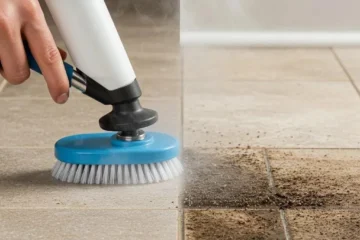
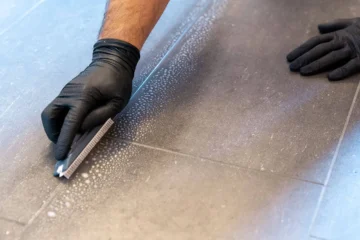
Shower Tile Regrouting Service: KK Cleaning and Restoration
Introduction: Shower Tile Regrouting Service
Shower Tile Regrouting Service: A shower is one of the most moisture-heavy spots in any bathroom. Every day, shower tile and grout get hit with water, steam, soap, shampoo, body oils, cleaning products, and changes in temperature. Over time, all this exposure can leave grout stained, cracked, loose, or even missing, which makes the shower look old and makes regular cleaning harder. Bringing in a professional shower tile regrouting service fixes these damaged grout joints and gives the shower a big boost in both looks and condition.
KK Cleaning and Restoration offers professional shower tile regrouting for homeowners and property owners who need to bring worn-out shower grout back to life. Regrouting works well when your actual tiles are still in good shape, but the grout has taken a beating.
Professional regrouting isn’t just about smearing new grout over the existing stuff. To do it right, you have to inspect the area, clear out the old grout, prep the surface, apply the new grout, finish it properly, let it cure, and provide the right aftercare. The end goal? Clean, even, restored grout joints that help keep the whole tiled area in shape.
What Is a Shower Tile Regrouting Service?
A shower tile regrouting service means removing damaged or worn-out grout from the joints between shower tiles and putting in fresh grout. People usually call in this service when grout gets cracked, disappears, stains heavily, turns soft, or gets impossible to clean.
Grout has an important job. It fills the joints between tiles and keeps the whole tiled surface intact. When grout starts to break down, you see gaps and uneven lines in the shower. Damaged grout also lets in dirt, soap, and moisture, which collect in these problem spots.
Professional regrouting is about restoring the grout lines, not ripping out all the tile. As long as your tiles are still solid, regrouting is a smart way to refresh your shower without going all-in on a full renovation.
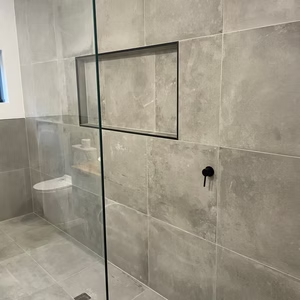
Signs Your Shower Needs Regrouting
The clearest sign your shower needs regrouting is cracked grout. At first, these cracks look like hairlines, but they keep spreading as the shower keeps facing steamy, damp conditions.
Missing grout is another big warning sign. When you see parts of grout have fallen out or gaps have opened up between tiles, you’re dealing with a joint that’s no longer doing its job and probably needs a pro to fix it.
Dark stains that won’t scrub away are also a clue that the grout is too far gone, especially if professional cleaning doesn’t make a difference. If grout stays discolored, crumbly, or damaged after cleaning, replacement is usually the way to go.
Keep an eye out for grout that’s loose or seems powdery. That means the grout is really breaking down and needs to be cleared out before new grout can be installed.
Why Shower Grout Deteriorates
There are a few main reasons why shower grout breaks down, the biggest one being constant moisture. Showers go through repeated wet and dry cycles, and this wears on grout joints over time.
Soap, shampoo, body oils, mineral deposits, and cleaning chemicals can build up on grout as well. If you’re not cleaning or maintaining the shower regularly, these substances start to stain and wear away at the grout.
Sometimes, grout fails early because it wasn’t installed right or cleaned properly. Over-scrubbing, harsh chemicals, too much movement, or constant wetness can also speed up grout decay.
And honestly, even when grout is installed perfectly, it doesn’t last forever—especially in a busy shower. A professional can check whether cleaning, spot repairs, or a full regrouting job is what your shower needs.
Benefits of Professional Shower Tile Regrouting
Getting your shower regrouted by a pro can totally change how it looks. Fresh, well-installed grout draws cleaner lines between tiles and makes the whole shower look better cared for.
Routine cleaning gets easier too. Old, damaged grout has cracks and gaps where dirt and soap collect. Put in new grout and you get smoother surfaces that are much more manageable day to day.
Regrouting can also give your bathroom more “life”—if the tiles are still in good condition, you don’t need to rip everything out and start over. Fixing up the grout and a few big problems can be all it takes.
Usually, professional regrouting can also be bundled with tile and grout cleaning, grout sealing, silicone replacement, and a more complete shower refresh.
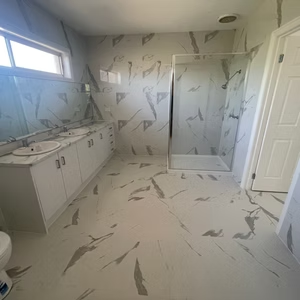
Professional Shower Grout Removal
Removing the old grout is one of the most important parts of shower tile regrouting. You can’t just stick new grout on top of old, broken material. The old stuff might be loose, dirty, or just not up to the job anymore.
Getting the old grout out of the joints needs to be done carefully, without damaging the tiles. How much grout you remove depends on what kind of condition it’s in and what the new grout calls for.
You have to be extra careful along tile edges and in the corners—using too much force or the wrong tools can chip or scratch the tiles.
Once the bad grout is gone, the joints need to be cleaned and cleared. Take out any loose bits or dust so the new grout bonds the way it’s supposed to.
Preparing Shower Tiles Before Regrouting
Good prep work makes a big difference. The joint spaces should be clear of loose grout, dirt, soap scum, and anything else that could mess with the new installation.
Check out the surrounding tiles too. Any that are cracked, loose, or broken should be repaired or replaced before moving on.
Corners and transitions can’t always use regular grout—they sometimes need flexible sealant. A pro knows which areas need grout versus where movement joints require special materials.
The shower also has to be dry before you start with the new grout. Any leftover moisture in the area can mess with both installation and curing.
Installing New Shower Grout
With everything prepped, it’s time to install the new grout in the right places. The mix and application need to follow manufacturer guidelines for the specific grout type.
Pros aim for uniform joints, making sure the grout fills each gap properly. They’ll clean off any excess before it hardens on top of the tile.
Finishing is key—getting a smooth, consistent look across the whole area. Uneven joints can be a pain to look at and harder to clean later on.
And don’t skip curing. New grout needs time to set before you go back to normal shower use. Follow product instructions to get the best strength and durability.
Shower Tile Regrouting and Silicone Replacement
Grout and silicone each have their place in a shower. Grout goes between the tiles in fixed joints, while silicone is the go-to for corners, transitions, tub edges, shower bases, and anywhere that might shift or move.
Because they do different jobs, a shower regrouting project might reveal spots that really need new silicone instead of grout. Putting inflexible grout where you need flexibility can just lead to cracks or failure.
Professional restorers always think about both materials. If silicone is cracked, separated, or worn out, it has to be replaced as part of the job.
Tackling both grout and silicone ensures the shower ends up looking consistent, complete, and performs better in the long run.

Grout Sealing After Regrouting
After new grout cures, sealing is sometimes recommended—the right sealer helps keep out water and day-to-day grime from seeping into porous grout.
You need to wait until the grout is fully cured and dry before sealing. The area also should be clean and free of any leftover film or debris.
Sealing helps keep the grout looking fresh and makes day-to-day maintenance a little less work, but you’ll still need to clean regularly; sealing isn’t a magic fix for everything or a substitute for good waterproofing.
Choosing the right sealer for your specific grout and tile makes a difference, so getting a pro’s opinion before application helps.
Shower Regrouting vs. Shower Tile Replacement
A lot of people think that if a shower is looking old, the whole thing needs to be ripped out and replaced. That’s not always true. If the tile is still in good shape and the big issue is the grout, a shower regrouting service can be a great fix.
Regrouting lets you restore the shower’s appearance and keep your current tiles. You avoid ripping out tiles and all the extra mess and hassle of a full renovation.
Sometimes, though, tile replacement is necessary—like when the tiles are cracked, loose, or have bigger issues underneath. A professional can tell you when you’ve crossed that line.
If restoration makes sense, it keeps your shower working and looking good without putting you through the headache (and cost) of total replacement.
Why Choose KK Cleaning and Restoration?
KK Cleaning and Restoration handles shower tile regrouting with real attention to detail: they check the grout, protect the tiles, prep the surface, install the grout, and finish the job right. The focus is always on restoring the grout while keeping the existing tiles looking good.
Every shower is different. Some just need simple regrouting, while others might need a more thorough cleaning, some grout repairs, silicone replacement, sealing, or a more complete fix.
Professionals start by seeing what’s already there—they don’t just recommend the same fix for every shower across the board. This helps figure out if regrouting is enough or if you should add on more repairs.
For homeowners and property managers, professional shower regrouting is a way to improve an older shower without the expense and trouble of a full tile tear-out.
Maintaining Your Shower After Regrouting
Keeping up with your shower after fresh regrouting makes a big difference in how it looks and holds up. Regular cleaning clears away soap, shampoo, dirt, and mineral deposits before they build up.
Good bathroom ventilation helps, too. Using an exhaust fan and letting the shower area dry afterwards can cut down on extra moisture and condensation.
Stay away from harsh chemicals and abrasive tools unless you’re sure they’re okay for your grout and tile. Cleaners should match your materials.
It’s a good idea to check the grout from time to time—look for cracks, missing pieces, stains, or other changes. Catching problems early keeps your shower healthy and saves you bigger headaches later.
Restore Your Shower With Professional Regrouting
You don’t always have to gut your bathroom to bring your shower back to life. If your tiles are still in good condition but the grout has cracked, stained, worn away, or just won’t stay clean, professional regrouting gets the job done.
Regrouting isn’t just tossing some new material on top. It involves proper removal of the old stuff, protecting the tiles, prepping the joints, careful installation, a smooth finish, proper curing, and continued maintenance.
KK Cleaning and Restoration offers all that—professional shower tile regrouting, cleaning, sealing, silicone replacement, shower restoration, and ongoing bathroom care. Their goal? Clean grout lines, improved tile appearance, and keeping good surfaces going as long as possible.
If your shower grout is starting to crack, fall apart, vanish, or stays dirty no matter how you clean, it’s time for a professional opinion. Timely regrouting can revive a tired shower, make maintenance easier, and help keep your tiles in use for years to come.
Contact us now:
📞 Call us now at +16479163093
📧 Email: info@kkcleaningandrestoration.ca
🌐 Visit: https://kkcleaningandrestoration.ca/
Shower Tile Regrouting Service FAQs:-
1. What’s a shower tile regrouting service?
Shower tile regrouting means taking out old, worn-out grout from between your shower tiles and replacing it with new grout. You usually need it when the grout is cracked, stained, missing, loose, turns powdery, or when it’s just too tough to clean. Getting the job done by professionals instantly improves how your shower looks and makes the grout joints strong again. KK Cleaning and Restoration handles this for all kinds of suitable bathroom and shower surfaces.
2. When does a shower need regrouting?
It’s time to regrout if you see cracked, falling-apart, missing, very stained, or separating grout between the tiles. Gaps that show up between tiles are a sure sign the old grout isn’t fixable just by cleaning. Even after a good cleaning, if the discoloration sticks around, that’s another hint it’s time for new grout. A pro can check it out and figure out if cleaning is enough—or if you really do need a full regrouting job.
3. Why does grout matter in a shower?
Grout fills the spaces between tiles and keeps everything looking neat and finished. If the grout starts breaking down, those little gaps can trap dirt, soap scum, moisture—just stuff you don’t want building up. Well-kept grout not only looks better but also makes cleaning easier. If you’ve got damaged grout, get it checked out; regrouting is usually the solution if cleaning alone doesn’t cut it.
4. Can regrouting fix cracked shower grout?
Absolutely. As long as the tiles and what’s underneath are still solid, regrouting replaces cracked and broken grout completely. You need to remove all the damaged grout before putting in the new stuff. Smearing new grout over old cracks isn’t the same and just won’t hold up. Professionals can tell you if the cracks are just in the grout or if there’s something bigger going on behind the scenes.
5. Will regrouting get rid of black or dark stains in the grout?
Regrouting works great for grout that’s permanently stained, dark, or discolored, especially when even deep cleaning won’t help. Sometimes, stains are only on the surface—dirt, soap, minerals—and a good cleaning is enough. But if the discoloration goes deeper, new grout is the way to go. That gives your shower a much cleaner, more uniform look.
6. Does regrouting mean the old grout gets removed?
Yes. When you regrout, you always need to remove the bad grout first wherever it’s needed. That opens up space for new grout, and lets you clean the joints and get them ready. Doing the removal carefully stops you from chipping or breaking the tiles around it. It’s a big part of making sure the new grout looks good and lasts.
7. Can you regrout shower tiles without replacing the tiles themselves?
Mostly, yes. If your tiles aren’t damaged and still attached securely, just regrouting is usually enough. This option saves you the hassle and mess of ripping out all the tiles, and it’s less disruptive. A pro can check the tiles and let you know if they’re good to keep or if some tile replacement is necessary, but often, it’s just the grout that needs help.
8. Is regrouting better than putting in a whole new shower?
If your tiles are in good shape and only the grout is the problem, regrouting is a great way to refresh your shower without the mess and cost of full replacement. It makes a big difference in how your shower looks. On the other hand, if there’s a lot of tile damage or bigger issues with waterproofing or structure, you’ll probably need something more involved. A pro can figure out which route makes sense for your shower.
9. Will regrouting prevent water problems in the shower?
Grout helps keep the joints tight and neat, but it’s not your full waterproofing system. Showers depend on proper waterproofing under the tiles, not just the grout. Regrouting can fix decayed joints, but it can’t fix hidden leaks or bigger waterproofing problems. If you notice ongoing water issues, have someone take a look before assuming grout alone will solve it.
10. Should you replace silicone during a regrouting job?
Yes, especially if the silicone around the corners, base, or tub looks cracked, has pulled away, is shrinking, or just looks beat up. Remember, grout and silicone do different things—flexible joints usually need silicone, not grout. When pros regrout your shower, they’ll spot bad silicone and can deal with it as part of a full restoration. Doing both keeps your shower in better shape when both materials are shot.
11. Can you seal grout after regrouting the shower?
Often, yes. As soon as the new grout cures and is fit for sealing, applying a sealer can block moisture and make cleaning a lot easier. Just make sure the grout is clean and ready before sealing. When done professionally, grout sealing helps your shower look good and last longer.
12. How long does shower tile regrouting take?
It depends. The size of your shower, how much bad grout there is, how many joints, the tile pattern, and prep work all affect timing. If you’re also cleaning, swapping silicone, fixing tiles, or sealing, that’ll add to the job. Big showers with lots of damaged grout take longer than smaller ones. Let a pro check out your shower to give you a realistic time estimate.
13. How long does new shower grout last?
How long it lasts comes down to the grout type, how well it was installed, how wet the shower gets, your cleaning habits, the ventilation, and just normal use. Proper preparation and installation really pay off. Regular cleaning and good care keep it looking good too. If you start to see new cracks, stains, or missing grout, call for an inspection to catch problems early.
14. Does regrouting make old bathroom tiles look better?
Definitely. If the main problem is bad grout, regrouting makes old tiles look a whole lot cleaner and fresher. Crisp new grout lines really brighten things up. If you clean the tiles and grout together, the difference is even more obvious, for tiles with a lot of dirt or scale. And sealing the grout or bathroom surfaces may be a smart move when the rest of the restoration is done.
15. Can you combine regrouting with tile and grout cleaning?
Yes. It’s common to clean the tiles and grout as part of a bigger shower restoration. Cleaning gets rid of grime, soap, and mineral buildup so everything looks fresher. If some grout is too far gone for cleaning, that grout gets replaced. Doing both together gives you the total package for the best possible result.
16. What happens before new grout goes in?
First, all bad grout gets taken out from the joints and debris is cleared away. Next, the joints and nearby tile surfaces have to be cleaned and prepped so nothing messes with the new grout setting up. If any tiles are loose or damaged, those need attention—just regrouting can’t fix unstable tiles. Getting this prep right gives the new grout something solid to stick to, which is vital for a good job.
17. Which type of grout’s best for shower tiles?
The right grout depends on your tile type, how wide the joints are, the shower’s use, how much water it’ll see, and what you want to prioritize—like stain resistance or flexibility. Not all grout is created equal: some handle moisture better, some clean up easier, some are more flexible. A pro will look at your specific situation instead of using a one-size-fits-all answer. KK Cleaning and Restoration will suggest the best approach for your particular tile and grout setup.
18. Can you regrout natural stone shower tiles?
Usually, yes—but you need to pay close attention to the type of stone. Stones like marble, travertine, slate, and granite each have their quirks for cleaning, sealing, and care. Using the wrong removal methods or harsh products can damage soft stone surfaces. It’s best if a pro checks the stone and customizes the process before starting.
19. Will regrouting fix mold or mildew in shower grout?
Regrouting gets rid of grout that’s deeply stained or ruined by mold, but doesn’t cure a hidden mold or mildew issue by itself. Make sure to treat any current contamination and check where all that moisture is coming from. Poor airflow, leaks, or constant dampness can bring mold back even after new grout is in place. So, keep things clean, ventilated, and dry, and look after your grout after the job is done.
20. How do you maintain shower grout after regrouting?
Clean the shower regularly—keep away soap scum, mineral build-up, dirt—using the best methods for your tile and grout type. Good ventilation helps the shower dry faster and keeps down humidity. Inspect now and then for cracks, stains, or missing bits to catch issues early and stop major damage.
21. Why choose KK Cleaning and Restoration for regrouting?
KK Cleaning and Restoration brings a thorough, professional touch to shower tile regrouting—they handle grout removal, surface prep, replacement, and clean finishes. They can fold in cleaning, sealing, silicone work, and full shower or bathroom restoration as needed. Their know-how protects the solid tiles you already have while properly fixing up the grout. They aim for a clean, even, and reliable fix for aging showers.
22. Is professional shower regrouting worth it?
It really is—if your grout is cracked, missing, stained, crumbling, or a pain to maintain. Regrouting wakes up your shower and keeps the good tiles, avoiding costly and messy full replacements. Getting it done right—from removal to sealing—creates a much better result than just patching. With regular maintenance, professional regrouting goes a long way to keeping your shower in top shape for years.
Contact us now:
📞 Call us now at +16479163093
📧 Email: info@kkcleaningandrestoration.ca
🌐 Visit: https://kkcleaningandrestoration.ca/